
Pruning
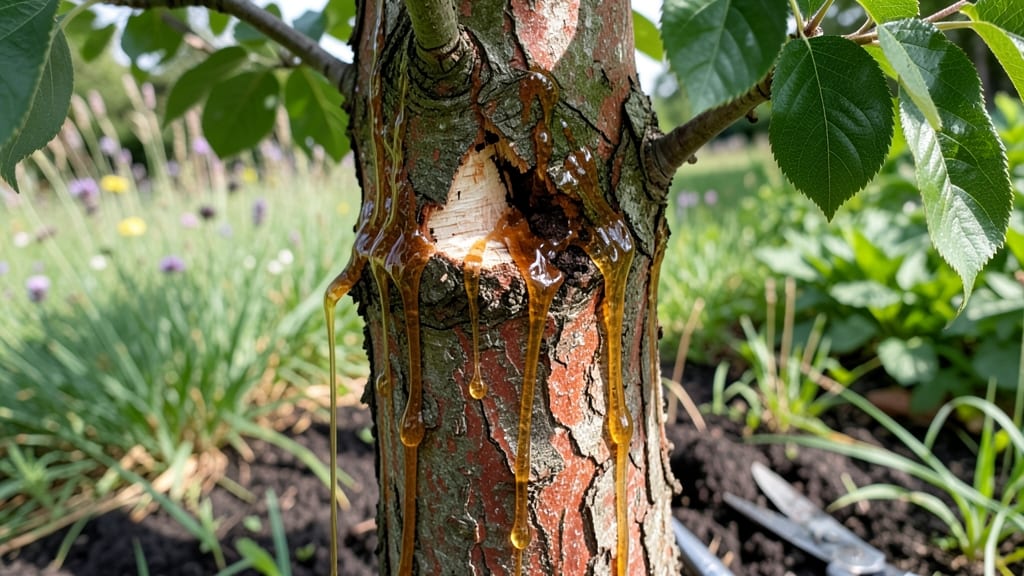
Your cherry tree’s weeping sap isn’t just messy—it’s a cry for help. 🌳 Whether it’s sticky, milky, or oozing from cracks, this simple pruning fix can stop the damage before it spreads. The key? Identifying the right cuts and timing them for maximum healing.
Most sap oozing stems from bacterial infections (like Pseudomonas syringae), pest damage, or winter stress. Look for dark, sunken lesions under the sap—those are red flags. Pruning isn’t just about cutting; it’s about removing infected branches 3-6 inches below the ooze to prevent reinfection.
With the right cuts, you’ll see new growth within 4-6 weeks, and the sap should stop flowing. The tree will heal faster if you apply pruning sealant (optional but helpful) and keep an eye out for repeat offenders. Prevention? Healthy soil and proper watering make all the difference.
Works for sweet, tart, and ornamental cherries alike. Here’s how to diagnose and act before the problem worsens—no guesswork, just results.
Root Causes Of Sap Bleeding
When your cherry tree starts oozing sap like a slow-motion syrup factory, it’s usually its way of signaling distress—or, in some cases, just a seasonal quirk. Understanding the why behind this sticky situation is the first step to fixing it.
Below, we break down the most common culprits, backed by science and actionable insights.
Cherry trees (especially Prunus avium) are sensitive to rapid temperature swings, particularly in early spring. When warm days follow freezing nights, the tree’s vascular system—its internal plumbing—struggles to regulate sap flow. Here’s what’s happening:
- Frost damage to xylem: Cold snaps can rupture or block the xylem vessels (the tree’s water and nutrient highways). When temperatures rise, the tree’s pressure system overcompensates, forcing sap out through weak spots in the bark.
- Root pressure spikes: Warmth triggers roots to push water upward faster than the tree can absorb it, creating backpressure. This excess fluid escapes as sap through cracks or lenticels (pores in the bark).
- Species susceptibility: Tart cherries (Prunus cerasus) are more prone to this than sweet cherries due to thinner bark and higher moisture content in their wood.
💡 Pro Tip: If your tree bleeds sap after a freeze-thaw cycle, don’t prune until late spring (after consistent warmth for 2+ weeks). Pruning too early can worsen the issue by exposing raw tissue.
Sap oozing can be a symptom of underlying pathogens that weaken the tree’s defenses. Two common offenders:
| Pathogen | How It Causes Sap | Visual Clues |
|---|---|---|
| Bacterial Canker (Pseudomonas syringae) | The bacteria clog the tree’s vascular system, creating blockages. The tree responds by bleeding through cankers (sunken, oozing wounds) to flush out toxins. | Dark, sticky sap with a foul odor; dead branches with cracked bark. |
| Silver Leaf Fungus (Chondrostereum purpureum) | This fungus invades the cambium layer (growth tissue), disrupting sap flow. Infected areas turn silvery-gray and weep a watery sap. | Shiny, metallic sheen on leaves; wilting despite moist soil. |
⚠️ Warning: If you suspect an infection, do not prune the tree yourself—sterilize tools with 70% rubbing alcohol and call a local arborist. Improper pruning can spread pathogens further.
Even well-meaning pruning can trigger sap bleeding if done incorrectly. Here’s how:
- Over-pruning or jagged cuts: Removing too much bark or making rough cuts exposes the cambium layer, which oozes sap as it heals. The tree “bleeds” to seal the wound.
- Wrong timing: Pruning in late fall or early spring (dormant season) stresses the tree, as it’s already vulnerable to temperature swings. Sap bleeding is a stress response.
- Tool trauma: Dull pruners crush bark instead of cleanly cutting it, creating larger wounds. This invites pests and disease, worsening sap flow.
🔪 Correct Pruning Technique:
- Use sharp, sterilized tools (bypass pruners for branches >0.5” thick).
- Make cuts at a 45° angle, just outside the branch collar (the swollen area where the branch meets the trunk).
- Prune only in late winter/early spring (after the last frost but before buds swell).
Sap bleeding can also be a side effect of pests that tunnel into the tree’s bark or phloem (the food-conducting layer). Common culprits:
- Borer larvae (e.g., Saperda candida): These wood-boring beetles create tunnels that disrupt sap flow. The tree “bleeds” at entry/exit holes to dilute toxins left by the larvae.
- Aphids or scale insects: These sap-sucking pests inject toxins that clog the phloem. The tree responds by exuding sticky honeydew (a sugary sap byproduct), which attracts mold.
- Nematodes: Microscopic worms in the soil damage roots, reducing water uptake. The tree compensates by overproducing sap, which leaks through bark.
💡 Early Detection: Look for:
- Sawdust-like frass (insect droppings) at the base of the tree.
- Small holes with sawdust around them (borer activity).
- Yellowing leaves with sticky residue (aphids/scale).
Not all sap bleeding is a red flag! Some cherry trees (especially young or fast-growing ones) experience normal sap flow during:
- Early spring: As the tree “wakes up,” root pressure pushes sap upward. If the bark is thin or cracked, it oozes out—like a maple tree tapped for syrup.
- After heavy rain: Over-saturated soil increases root pressure, causing temporary sap leakage.
- During fruit development: The tree diverts energy to ripening cherries, and excess moisture can escape as sap.
🌿 How to Tell If It’s Normal:
- The sap is clear or pale yellow (not dark/brown or foul-smelling).
- It stops within 1–2 weeks without worsening.
- The tree shows no other symptoms (wilting, dieback, pest signs).
Fixing Sap Leaks Naturally
When your cherry tree starts oozing sap like a maple in spring, don’t panic—there are practical ways to stop the "bleed" and keep your tree healthy. Below, we’ve mapped out cause-specific solutions to tackle the issue head-on, along with prevention tips to avoid future sap emergencies.
Think of this as your tree’s first-aid kit—simple, effective, and easy to follow.
---
#### 1. Wound or Physical Damage 🔪 If the sap is leaking from a fresh cut, scrape, or animal gnaw, your tree is essentially "crying" from the pain. Here’s how to soothe it:
✅ What to Do: - Clean the wound with a sterilized knife or pruning shears (rubbing alcohol works). Remove any loose bark or debris—this prevents rot. - Apply pruning sealant (like Tanglefoot Tree Wound Pruning Seal or Ortho Fruit Tree Sealant). This creates a protective barrier, reducing sap flow and blocking pests. - Prune properly if needed: Make cuts at a 45-degree angle just outside the branch collar (the swollen area where the branch meets the trunk). Avoid leaving stubs—they’re like Band-Aids stuck halfway on a scrape.
💡 Pro Tip: If the damage is minor (like a small branch break), skip the sealant. Trees often heal better on their own with clean cuts!
---
#### 2. Pest or Disease Infestation 🐜 Sap oozing can signal that borers, scale insects, or fungal infections are hijacking your tree’s resources. Here’s how to evict the unwelcome guests:
✅ What to Do: - Identify the culprit: - Borer holes? Look for tiny exit holes or sawdust-like frass (chewed wood). - Scale insects? Check for sticky residue (honeydew) on leaves or bark. - Fungal cankers? Spot sunken, oozing patches with discolored bark. - Treat chemically (if severe): - For borers, apply neem oil or permethrin-based insecticide to the wound. - For scale, spray with horticultural oil in late winter/early spring. - For fungal issues, use copper fungicide (like Bonide Copper Fungicide). - Encourage natural predators: Ladybugs and parasitic wasps love munching on pests—invite them with native plants or beneficial nematodes.
🌡️ Pro Tip: Catch infestations early. A little neem oil now beats a full-blown chemical war later!
---
#### 3. Environmental Stress 🌪️ Drought, extreme heat, or sudden temperature swings can make your cherry tree sweat sap like a stressed-out athlete. Here’s how to hydrate and stabilize it:
✅ What to Do: - Water deeply but infrequently: Soak the root zone (12–18 inches deep) once a week (adjust for clay/sandy soil). Use a soaker hose to avoid wetting leaves (which attracts disease). - Mulch like a pro: Spread 3–4 inches of organic mulch (wood chips, straw) around the base, but keep it 6 inches away from the trunk. This locks in moisture and regulates soil temp. - Shade cloth to the rescue: If your tree is in a hot, sunny spot, drape 30–50% shade cloth over it during heatwaves. This mimics natural dappled shade. - Avoid over-fertilizing: Too much nitrogen = weak wood. Stick to a balanced 10-10-10 fertilizer in early spring.
✨ Pro Tip: Mulch volcanoes are evil. Piling mulch against the trunk suffocates the tree—keep it flat!
---
#### 4. Improper Pruning 🪓 If your last pruning session looked like a drunk lumberjack’s work, your tree might be leaking sap as a protest. Here’s how to prune right:
✅ What to Do: - Prune in late winter/early spring (dormant season) for cherry trees. Avoid summer pruning—it stresses them. - Use sharp, clean tools: Dull shears crush bark, inviting disease. Sharpen blades before each session. - Follow the 1/3 rule: Never remove more than 1/3 of the canopy in one year. Heavy pruning = shock = sap leaks. - Thin out, don’t top: Avoid heading cuts (cutting back to a lateral branch). Instead, remove entire branches at the collar.
🎯 Pro Tip: If you’re unsure, watch a pruning tutorial (like from University Extension Services) before grabbing the shears.
---
The best "fix" is to prevent sap leaks before they start. Here’s how:
- Inspect regularly: Check for cracks, holes, or unusual sap every spring and fall. - Train young trees: Stake and guide new growth to avoid weak, stressed branches. - Avoid soil compaction: Heavy foot traffic or machinery near the roots = stress. Avoid parking or walking under the tree. - Monitor moisture: Overwatering is just as bad as drought.
Let the top 1–2 inches of soil dry between waterings. - Plant smart: Choose disease-resistant cherry varieties (like ‘Stella’ or ‘Rainier’) if you’re in a high-risk zone.
--- Final Thought: A little TLC goes a long way. Most sap leaks are your tree’s way of saying, “Hey, something’s off!” Listen, act, and soon your cherry tree will be back to blooming beautifully—not bleeding dramatically. 🌸
Frequently asked questions
Is oozing sap always a sign of a sick cherry tree?
Not necessarily! Clear or pale yellow sap that stops within 1-2 weeks is often normal, especially after freeze-thaw cycles or heavy rain. The concern comes when sap is dark/brown, foul-smelling, or accompanied by wilting leaves or dead branches—these are red flags for bacterial infections or pest damage.
How do I tell if my tree has bacterial canker?
Look for dark, sunken lesions with sticky, foul-smelling sap—classic signs of bacterial canker (Pseudomonas syringae). The bark around infected areas often cracks, and you may see dead branches with oozing wounds. If you spot these, avoid pruning yourself and call an arborist to prevent spreading the disease.
Can I use household items to stop sap oozing?
For minor wounds, clean the area with rubbing alcohol and apply petroleum jelly (like Vaseline) as a temporary sealant. For larger issues, use a dedicated pruning sealant (like Tanglefoot). Avoid duct tape—it can trap moisture and worsen rot. If the sap is due to pests or disease, household fixes won’t cut it.
Should I prune branches with oozing sap?
Only if the branch is dead or severely infected. Cut 3-6 inches below the ooze to remove infected tissue, using sterilized tools. Never prune during active sap flow (spring) unless absolutely necessary—wait until late summer or early fall for best healing results.
Will my cherry tree recover if I fix the sap issue?
Yes! With proper care, most trees bounce back within 4-6 weeks. Focus on removing infected branches, improving soil health, and avoiding stress (like overwatering). Young trees heal faster than mature ones, but even established cherries can recover if you catch problems early. Prevention is key—regular inspections save trees!