
How To
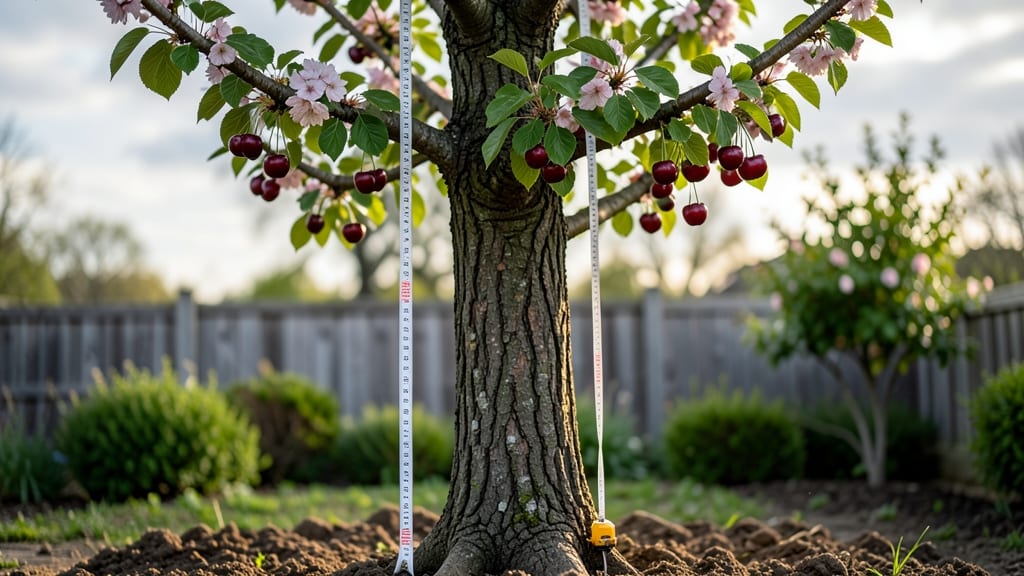
A cherry tree can grow anywhere from 15 to 60 feet tall, depending on the variety you choose—so picking the right one for your space is the first step to success.
Imagine planting a 🍒 tree that will one day tower over your backyard, its branches heavy with fruit, or a compact variety that fits neatly in your patio. The difference between these two outcomes comes down to one key decision: whether you’re planting a standard, semi-dwarf, or dwarf cherry tree.
Sweet cherries often reach 20 to 30 feet at maturity, while tart cherries tend to stay shorter, around 10 to 20 feet. Ornamental varieties can even stretch to 50 feet or more, which is why spacing and sunlight needs become critical factors in their long-term health and growth.
In this guide, I’ll break down the exact heights by variety, how sunlight and pruning affect growth, and practical tips for gardeners—whether you’re working with a small urban yard or a sprawling rural plot.


Cherry tree height by variety: dwarf to giant sizes explained
Choosing a cherry tree often comes down to one critical question: how tall does a cherry tree grow?
The answer varies dramatically depending on the variety, with some reaching towering heights while others stay compact enough for small yards. Sweet cherries typically grow between 15–30 feet, while tart cherries can soar up to 50 feet or more.
Ornamental varieties often bridge the gap, offering stunning blooms in sizes from 8–25 feet. Understanding these differences helps you plan spacing, pruning, and even container gardening for dwarf types.
If you're working with limited space, dwarf cherry trees are a game-changer. These varieties—like the Stella® or Compact Stella®—top out at just 8–12 feet, making them ideal for patios or urban gardens.
Meanwhile, standard varieties like Bing or Rainier sweet cherries can easily exceed 25 feet, requiring careful planning to avoid overcrowding nearby plants or structures. Ornamental cherries, such as Kwanzan or Okame, often fall in between, offering both height variety and breathtaking spring blooms.
| Variety Type | Mature Height Range | Growth Rate (Annual) | Best For |
|---|---|---|---|
| Dwarf Sweet Cherries | 8–12 ft | 1–2 ft/year | Containers, small yards, patios |
| Semi-Dwarf Sweet Cherries | 12–18 ft | 2–3 ft/year | Backyards, urban gardens |
| Standard Sweet Cherries | 20–30 ft | 3–5 ft/year | Large properties, orchards |
| Tart Cherries (Sour) | 15–25 ft | 2–4 ft/year | Commercial orchards, large gardens |
| Ornamental Cherries | 15–25 ft | 2–3 ft/year | Landscaping, shade trees, floral displays |
| Giant Varieties (e.g., Montmorency) | 30–50+ ft | 4–6 ft/year | Rural properties, windbreaks |
One factor that often surprises gardeners is the growth rate of cherry trees. While dwarf varieties grow just 1–2 feet per year, standard and giant types can shoot up 3–6 feet annually under ideal conditions.
This rapid growth means young trees can quickly outpace expectations, so always account for mature height when planting. For example, a Bing cherry tree planted near your house might need relocation in 10 years if it reaches 25 feet!
Your climate zone also plays a huge role in determining height. Cherry trees thrive in USDA Zones 5–8, but those in warmer zones (like Zone 8) may grow taller and faster due to longer growing seasons.
Conversely, colder climates (Zone 5) might stunt growth slightly, keeping trees slightly shorter. Soil quality matters too—well-draining, slightly acidic soil (pH 6.0–6.5) promotes healthier, fuller growth, while poor soil can limit height potential.
If you're considering a container-grown cherry tree, opt for dwarf varieties like Compact Stella® or Black Tartarian. These stay under 12 feet and thrive in 15–20 gallon containers, making them perfect for balconies or small spaces.
Just remember: container trees need regular pruning to control height and consistent watering since pots dry out faster than ground soil. For ground planting, space dwarf trees 8–10 feet apart, semi-dwarf types 12–15 feet apart, and standard trees 20–25 feet apart.
Pruning is another key tool for managing height. Young cherry trees benefit from structural pruning in their first few years to encourage a strong framework. Later, annual pruning in late winter (before buds swell) helps maintain desired height and improves airflow, reducing disease risk.
For ornamental cherries, you can prune more aggressively to shape the tree, while fruit-bearing varieties should be pruned carefully to preserve fruit production zones.
Before planting, check your local tree height regulations—some neighborhoods have restrictions on large trees near property lines. If you love cherries but lack space, consider espaliered cherry trees, which can be
Sunlight requirements that affect cherry tree growth and height
Sunlight is the most critical factor determining how tall your cherry tree grows and whether it produces fruit at all. Cherry trees thrive in full sun, but the exact requirements vary between sweet cherries, tart cherries, and ornamental varieties.
Too little light leads to stunted growth, poor fruit production, and weak branches, while too much can stress the tree in hot climates.
For sweet cherries, like Bing or Rainier, aim for 6-8 hours of direct sunlight daily. These varieties need abundant light to develop their signature sweet flavors and reach their full 20-30 foot height.
In contrast, tart cherries, such as Montmorency, tolerate slightly less light—5-6 hours daily—but still grow best in full sun, reaching 15-25 feet at maturity.
Ornamental cherry trees, like the Weeping Cherry, prioritize aesthetics over fruit. They still require full sun (6+ hours) to maintain their stunning blossoms and compact growth habits, typically 15-25 feet tall. Without enough light, their flowers become sparse, and their growth slows dramatically.
- Sweet Cherries: 6-8 hours of sun → 20-30 ft height, maximum fruit production
- Tart Cherries: 5-6 hours of sun → 15-25 ft height, hardier in partial shade
- Ornamental Cherries: 6+ hours of sun → 15-25 ft height, vibrant blooms
- Partial Shade (<4 hrs sun): Stunted growth, smaller fruit, fewer flowers
- Full Shade (<3 hrs sun): Leggy growth, poor health, no fruit
If your cherry tree isn’t getting enough sunlight, you’ll notice long, weak branches and small, underdeveloped leaves. In extreme cases, the tree may even stop bearing fruit entirely.
To maximize height and health, plant your cherry tree in the sunniest spot of your yard, preferably near a south-facing wall for extra warmth.
In hot climates, afternoon shade can prevent heat stress, but morning sun is essential. If you’re growing a dwarf variety, even 4-5 hours of sun may suffice, but expect slower growth and reduced fruit yield.
Always match your cherry tree’s sunlight needs to its variety to ensure it reaches its full potential height and productivity.
Pro tip: Monitor your tree’s leaf color and growth rate—healthy cherry trees in ideal sunlight will have deep green leaves and steady upward growth. Adjust pruning or location if you notice signs of light deprivation.