
Pruning
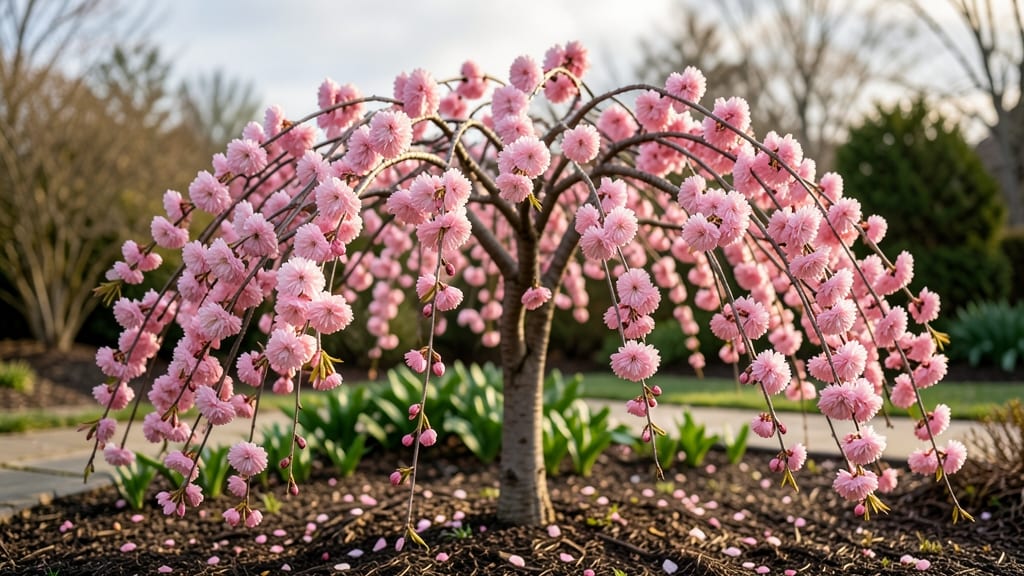
Ohio’s weeping cherry trees (Prunus serrulata 'Pendula') turn spring into a dreamy waterfall of pink and white blooms—if you prune them right. 🌸 I’ve learned the hard way that Ohio’s cold winters and humid summers demand specific cuts to keep these trees thriving for decades.
The key is timing: prune just after blooms fade in early summer, before the heat sets in, and you’ll encourage dense growth and even more flowers next year.
Start with clean, sharp pruners and focus on three goals: removing dead wood, thinning crowded branches to improve airflow, and shaping the tree to highlight its graceful weeping habit. Ohio’s Zone 5-6 climate means winter dieback is normal—never prune until new growth appears in spring.
A mature weeping cherry can handle 20-30% of its branches removed in one session, but spread it out if your tree is young or struggling.
What you’ll end up with is a tree that bursts into color every spring, stays disease-resistant, and outlives most ornamental trees in the region. The secret? Pruning when the tree is actively growing, never when it’s stressed from winter or summer drought.
I’ve seen neglected weeping cherries recover completely with just one proper pruning session—the difference is night and day.
Ohio’s pests like borers and diseases such as powdery mildew love stressed trees, so keep an eye out for early signs of trouble. A healthy weeping cherry in full bloom is the star of any yard, and with the right cuts, yours will be too.
Let’s get those branches looking intentional!
📚 In This Guide
- What you need
- Instructions
- Tips and common mistakes
- Wrapping up and next steps
What you need
- ● Pruning shears: Bypass pruners (sharp, clean, and sterilized with rubbing alcohol) for small branches.
- ● Loppers: 6–8" cutting capacity for thicker branches (up to 2" diameter).
- ● Pruning saw: For branches over 2" in diameter (avoid bolt cutters—they crush wood!).
- ● Gloves: Heavy-duty leather or nitrile-coated to protect from thorns and sap.
- ● Disinfectant: 70% isopropyl alcohol or a 10% bleach solution (1 part bleach to 9 parts water) to prevent disease spread.
- ○ Tree wound dressing: Optional but helpful for large cuts (use pruning sealant sparingly—modern research suggests less is often better!).
- ● Ladder or step stool: Sturdy, non-slip, and tall enough to reach the tree’s canopy safely.
- ● Bucket or tarp: For collecting debris (or a leaf blower for quick cleanup!).
- ● Marking twine or flags: To tag branches for removal (helpful for complex pruning plans!).
- ● Timing: Prune weeping cherry trees in Ohio during late winter or early spring (February–March) while the tree is dormant. Avoid pruning in fall (risk of fungal diseases).
- ● Weather: Choose a dry, calm day—never prune when the tree is wet or windy!
- ● Safety gear: Safety glasses (to shield from falling debris) and closed-toe shoes.
- ● Tree health check: Inspect the tree for signs of disease (e.g., cankers, oozing sap) before pruning. If severe, consult an arborist.
- ● Local regulations: Check if your area requires permits for tree removal or large pruning jobs.
- ● ✨ Sharpen your tools! Dull blades tear wood, inviting disease. Hone shears with a file or sharpening stone before starting.
- ● 🌡️ Know your variety: Ohio’s cold-hardy weeping cherries (like Prunus serrulata ‘Kanzan’ or ‘Shirofugen’) may have slightly different pruning needs. Research your specific cultivar!
- ● 🔥 One cut at a time: Make clean cuts at a 45-degree angle just outside the branch collar (the swollen area where the branch meets the trunk).
Step-by-step guide to pruning weeping cherry trees in Ohio
Ohio’s winters test even the hardiest trees—here’s how to prune your weeping cherry for strength and beauty.
🪴 Step 1: Assess the Tree’s Structure and Health
Start by examining your weeping cherry tree in early spring, just as buds begin to swell. Look for dead, crossing, or diseased branches—these are your first targets. I grab a small pruning saw for thicker branches and my handheld pruners for thinner ones. The goal is to open the canopy to sunlight and air, which prevents fungal issues common in Ohio’s humid summers.
Pay special attention to the tree’s natural weeping shape. If branches are growing upward instead of cascading, they’ll disrupt that elegant silhouette. Mark these with a piece of twine or flagging tape before you begin pruning. This ensures you don’t accidentally remove too much at once, which can stress the tree.
✂️ Step 2: Remove Dead, Diseased, and Problem Branches
Begin by cutting out any branches that are completely dead or diseased. Make your cuts just outside the branch collar—the swollen area where the branch meets the trunk. This ensures the tree can seal the wound properly. For dead branches, you’ll notice they’re brittle, often with no leaves or bark peeling away.
Next, remove any branches that are rubbing against each other. These create wounds that invite pests and disease. If a branch is growing straight up, cut it back to encourage more of that graceful weeping habit. I like to step back every few cuts to check the tree’s balance—you want to maintain that gentle, flowing shape without over-thinning any one side.
☀️ Step 3: Thin the Canopy for Airflow and Light
Weeping cherries need good airflow to prevent fungal diseases like powdery mildew, which thrives in Ohio’s damp climate. Focus on removing branches that are too dense, especially in the lower half of the tree. Aim to thin out about 20-25% of the foliage—this might sound drastic, but it keeps the tree healthy and encourages new growth.
Use your pruners to make clean cuts at a 45-degree angle just above an outward-facing bud. This directs the tree’s energy into new growth that continues the weeping form. Avoid cutting back to stubs—always leave a small bump of wood. If you’re unsure about a cut, I err on the side of caution and leave the branch for another year.
🌿 Step 4: Shape the Tree for Balance and Beauty
Now it’s time to refine the tree’s shape. Weeping cherries naturally grow with a cascading habit, but they can develop uneven growth if not guided. Step back and visualize the tree’s final form—you want a symmetrical, flowing silhouette. Trim any branches that are growing too horizontally or disrupting that graceful curve.
For larger branches, use your pruning saw to make clean cuts just outside the branch collar. For smaller branches, your handheld pruners will work perfectly. After each cut, wipe your tools with rubbing alcohol to prevent the spread of disease. This is also a great time to remove any suckers—those unwanted shoots growing from the base or trunk.
💧 Step 5: Clean Up and Apply Wound Treatment
Once all your cuts are made, gather up the debris and remove it from the area. Leaving branches on the ground can attract pests and spread disease. I like to sterilize my tools with a 10% bleach solution (one part bleach to nine parts water) to ensure they’re ready for the next pruning session.
For larger wounds, apply a tree wound sealant to protect the tree from infections. While some gardeners debate whether sealants are necessary, I find they give me peace of mind—especially in Ohio’s unpredictable weather. Water the tree deeply after pruning to help it recover. Avoid fertilizing right away; give the tree a few weeks to heal before adding any nutrients.
Tips & tricks for pruning weeping cherry trees in Ohio
Real talk: Pruning weeping cherries in Ohio’s climate takes finesse. Here’s what I’ve learned after years of working with these delicate trees—mistakes that can stress your tree or leave it vulnerable to Ohio’s harsh winters.
Timing is Everything: Spring is the absolute best time to prune weeping cherries in Ohio, right when those buds start swelling but before new growth appears. I’ve made the mistake of pruning too late in spring or too early in fall, and both times the tree struggled with new growth before winter set in. If you absolutely must prune in fall, do it at least 6 weeks before the first frost to give the tree time to heal. The goal is to avoid stressing the tree when it’s already preparing for dormancy.
Tool Prep Prevents Problems: Sterilizing your tools between cuts is non-negotiable. I keep a small bottle of rubbing alcohol in my tool belt and wipe down my pruners after every 3-4 cuts. Ohio’s humid summers create the perfect conditions for fungal spores to hitch a ride on your tools and infect fresh wounds. For larger wounds, I’ve found that applying a thin layer of tree wound sealant immediately after cutting helps prevent infections—especially important for our cold-hardy varieties that already face winter stress.
Shape Matters More Than You Think: When shaping your weeping cherry, step back every 5-10 minutes to check the overall silhouette. The natural weeping habit should guide your cuts—never force branches downward, as this can cause stress. I’ve seen too many trees where well-meaning gardeners tried to create a more dramatic weeping effect by bending branches, only to see them snap under winter ice. The tree’s natural shape is its best defense against Ohio’s winter storms. Focus on removing branches that grow upward or outward, which disrupt that elegant cascading form.
Cleanup Can’t Be Overlooked: After pruning, I always gather up all the debris and remove it from the area—even small twigs can harbor pests and diseases that will attack your tree. I also take this opportunity to check the base of the tree for any suckers or unwanted shoots. These little volunteers might seem harmless, but they drain energy from your main tree. I’ve seen trees that looked perfectly pruned but were struggling because of these hidden energy vampires at the base.
Pro Tips for Weeping Cherry Tree Ohio
- Real talk: Pruning weeping cherries in Ohio’s climate takes finesse. Here’s what I’ve learned after years of working ...
- Timing is Everything: Spring is the absolute best time to prune weeping cherries in Ohio, right when those buds start...
- Tool Prep Prevents Problems: Sterilizing your tools between cuts is non-negotiable. I keep a small bottle of rubbing ...
Frequently asked questions
Got questions about caring for your weeping cherry tree in Ohio? You’re not alone! Here are some of the most common concerns—plus expert answers to keep your tree thriving in the Buckeye State’s climate.
When is the best time to prune a weeping cherry tree in Ohio?
The ideal time to prune weeping cherry trees in Ohio is late winter to early spring (February–March), before buds swell but while the tree is still dormant. This timing minimizes stress and prevents disease. Avoid pruning in fall or during wet weather, which can invite fungal infections. Pro tip: If you must prune in summer, do so only to remove dead or diseased branches!
How cold-hardy are weeping cherry trees in Ohio?
Most weeping cherry varieties (like Prunus serrulata ‘Kanzan’ or Prunus subhirtella ‘Autumnalis’) are USDA Zone 5–7 hardy, making them perfect for Ohio’s winters. However, young trees may need winter protection (e.g., burlap wraps or mulch) during harsh winters. Choose Ohio-adapted cultivars for better resilience!
Can I prune a weeping cherry tree in winter if it’s dormant?
Yes, but with caution! Pruning dormant trees in late winter (January–February) is safe, but avoid heavy pruning—stick to 20–30% of the canopy max to prevent stress. If you prune too early (December), you risk dry rot from frozen sap. Always use sterilized tools and seal cuts with pruning sealant for faster healing.
Why are my weeping cherry tree’s leaves yellowing after pruning?
Yellowing leaves post-pruning often signal over-pruning, nutrient deficiency, or fungal issues. Check for:
- Too much pruning (stick to 10–20% of branches per year).
- Iron deficiency (common in alkaline Ohio soil)—apply chelated iron or mulch with compost.
- Powdery mildew (white fuzz on leaves)—prune infected branches and spray with neem oil.
If the issue persists, test your soil pH and adjust fertilizers accordingly.
Are there drought-tolerant weeping cherry tree alternatives for Ohio?
If your soil drains poorly or summers are dry, consider these Ohio-friendly alternatives:
- Prunus serrulata ‘Shirofugen’ – Tolerates clay soil and brief drought.
- Prunus subhirtella ‘Pendula Rosea’ – Pink blooms and moderate drought resistance.
- Prunus ‘Okame’ – Early bloomer with better heat tolerance.
Always mulch deeply (3–4 inches) and water deeply but infrequently to encourage root growth.
Wrapping up and next steps
The weeping cherry tree in Ohio isn’t just a stunning addition to your landscape—it’s a resilient, cold-hardy beauty that thrives with the right care. By mastering the art of pruning, you’ll ensure its health, longevity, and breathtaking blooms for years to come.
Whether you’re trimming for shape, removing dead branches, or encouraging new growth, your efforts will pay off in dramatic spring displays and a stronger tree. 🌸
Ready to take the next step? Grab your pruners, consult your notes, and schedule your next pruning session—your weeping cherry tree will thank you with vibrant blossoms and lush foliage! For extra confidence, join local gardening groups or tag @OhioGardener to share your progress.