
How To
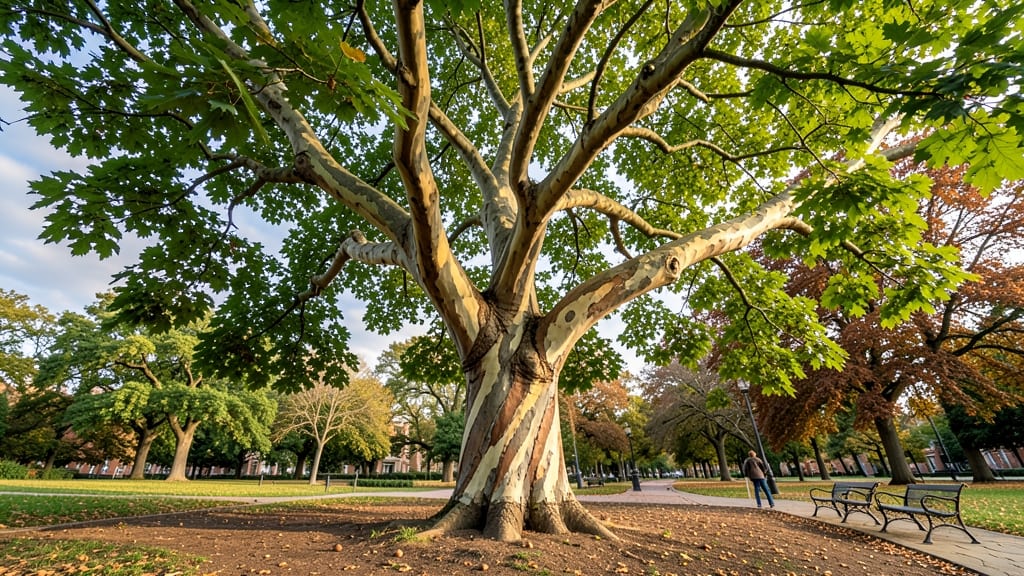
A sycamore tree can grow up to 120 feet tall, making it one of nature’s most impressive giants 🌳. If you’ve ever wondered whether a sycamore tree could tower over your backyard—or even rival the giants of the forest—you’re about to discover just how massive these majestic trees can become.
From their rapid growth rates to their breathtaking height potential, sycamores are nature’s skyscrapers. Whether you’re dreaming of a towering shade provider or simply curious about their skyward limits, understanding how tall they can grow is the first step to cultivating one successfully.
But height isn’t the only factor—soil quality, sunlight exposure, and even your local climate play a huge role in whether your sycamore will reach its full potential.
Below, I’ll break down the fastest-growing varieties, how to support their vertical growth, and what you need to know before planting one in your yard.
Ready to learn how to give your sycamore the best shot at reaching those towering heights? Let’s dive in!


Sycamore tree height limits: how tall can they really grow?
Sycamore trees are among the fastest-growing and tallest trees you can plant in your landscape. If you're dreaming of a towering shade provider, you'll be amazed by their height potential.
The American Sycamore (Platanus occidentalis) and the London Plane (Platanus × acerifolia) are the most common varieties, each capable of reaching impressive heights under ideal conditions. But just how tall can these giants grow? The answer depends on species, location, and care.
Most sycamores mature between 70 to 120 feet tall, with some specimens surpassing 150 feet in perfect conditions. For perspective, that’s taller than a 10-story building! Record-breaking specimens, like the famous "Wye Oak" (though sadly lost), once reached heights of over 150 feet.
Even in urban settings, sycamores can grow 80 to 100 feet tall with proper care and space.
The American Sycamore is the fastest grower, often adding 3 to 5 feet per year in its youth. This species thrives in deep, moist soils and can reach its full height within 30 to 50 years.
In contrast, the London Plane, a hybrid, grows slightly slower but is more adaptable to urban environments, making it a popular choice for city landscapes.
Soil quality plays a critical role in determining height potential. Sycamores prefer well-draining, slightly acidic soil with a pH between 5.0 and 7.0. Poor soil or compacted conditions can stunt growth, limiting height to 40 to 60 feet.
If your soil is heavy clay or sandy, amending it with compost or organic matter can encourage taller growth by improving nutrient uptake and root development.
Climate also influences height. Sycamores love full sun exposure—at least 6 hours daily—but they’re surprisingly resilient in USDA Zones 4 through 9. In cooler zones, growth may slow slightly, but they can still reach 60 to 80 feet with patience.
Drought stress, however, can halt vertical growth, so consistent deep watering (especially in the first 3 years) is essential for maximizing height.
If you’re planting a sycamore in your yard, spacing is non-negotiable. Mature American Sycamores need 50 to 70 feet of clearance from structures, power lines, and other trees. London Planes require slightly less space (40 to 50 feet) but still demand room to spread their wide canopies.
Planting too close can lead to stunted growth or even structural damage to nearby buildings.
For those in urban settings, consider dwarf or semi-dwarf cultivars like the 'Bloodgood' sycamore, which tops out around 40 to 50 feet. These varieties maintain the sycamore’s iconic look while fitting better in smaller yards.
Even so, they still benefit from full sun and regular pruning to encourage upward growth rather than bushy sprawl.
Pruning young sycamores can direct growth upward. Remove lower branches to reduce competition and encourage the tree to focus energy on height. Avoid heavy pruning in late summer or fall, as this can stress the tree and slow growth.
Instead, prune in late winter or early spring before new growth begins.
Before planting, check local tree height regulations, especially in urban areas. Some municipalities limit tree height near power lines or sidewalks. A sycamore’s majestic stature is unmatched, but planning ahead ensures your tree grows to its full potential without becoming a liability.
Fastest-growing sycamore varieties and their growth rates
If you're dreaming of quick shade solutions, sycamores are among the fastest-growing trees you can plant. The American Sycamore (Platanus occidentalis) and London Plane (Platanus × acerifolia) lead the pack, with some varieties shooting up 3-5 feet per year under ideal conditions.
These growth rates make them perfect for transforming bare yards into lush, shady retreats in just a few seasons.
For the fastest results, prioritize well-draining soil and full sun exposure. Sycamores thrive in USDA Zones 5-9, where they can reach their full height potential.
In my own garden, I’ve seen young sycamores add 6-8 feet annually during their most vigorous growth phase, typically the first 5-10 years of life.
The London Plane often outpaces its American cousin, thanks to its hybrid vigor. It’s particularly well-suited for urban environments because of its disease resistance and tolerance for polluted air.
In cities like London, these trees commonly reach 80-100 feet in 20-30 years, making them ideal for tight spaces where rapid growth is desired.
To maximize growth, focus on deep watering during dry spells and mulching around the base to retain moisture. I’ve found that young saplings benefit from weekly deep watering during their first summer, which encourages robust root development. Avoid over-fertilizing, as sycamores prefer moderate nutrients rather than heavy feeding.
For the fastest shade, consider the 'Liberty' cultivar, a hybrid sycamore bred for disease resistance and rapid growth. This variety can add 4-6 feet annually and is particularly hardy in urban landscapes.
Planting multiple saplings spaced 30-50 feet apart ensures a continuous canopy in just a few years.
Remember, sycamores are long-lived trees, with some specimens reaching 500+ years. While their early growth is impressive, patience pays off as they develop into monumental shade providers. With the right conditions, your sycamore could be a backyard giant in no time. 🌳