
Plants
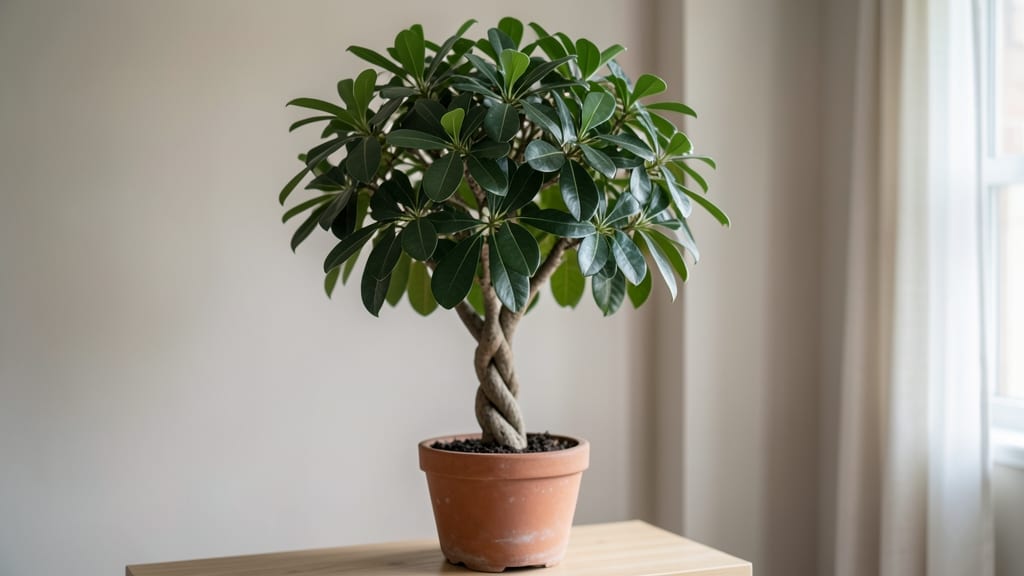
A money tree plant can grow 6 to 10 feet tall indoors with the right care, though its final height depends on variety, pruning, and your home’s light conditions.
If you’re dreaming of a lush, lucky money tree (Pachira aquatica) but wondering how tall it can grow indoors, you’re not alone—many plant parents underestimate its potential (or its space needs!).
Braided varieties often max out at 6 feet under ideal conditions, while single-stemmed types can stretch toward 10 feet if left unchecked. The key? Balancing bright, indirect light with regular pruning to guide its growth.
Below, I’ll break down how to control its height—whether you want a compact 3-foot tabletop** or a towering statement plant for your living room.


Money tree height by variety: indoor growth limits explained
If you’re dreaming of a lush, lucky money tree (Pachira aquatica) but wondering how tall it can grow indoors, you’re not alone—many plant parents underestimate its potential (or its space needs!).
The money tree is a tropical beauty that can reach impressive heights, but its growth depends heavily on its variety and indoor conditions. Understanding these factors will help you plan for the perfect spot in your home while avoiding surprises as your plant matures.
Most money trees sold as houseplants fall into two main categories: braided varieties (like the classic "four-leaf clover" look) and single-stemmed varieties. Braided trees are often trained for aesthetic appeal, while single-stemmed types grow taller naturally.
Over 5–10 years, a money tree’s height can vary dramatically—from a compact 3 feet to a towering 10 feet—depending on care and genetics. Let’s break down what to expect based on your chosen variety.
🌱
Your money tree’s height isn’t just about its variety—it’s also about the indoor environment you provide. Light exposure is the #1 factor influencing growth. Money trees thrive in bright indirect light, like an east- or west-facing window.
Without enough light, your plant may grow leggy and slow, reaching only 3–4 feet in 5 years. Conversely, too much direct sunlight can scorch leaves and stunt vertical growth. I’ve seen money trees in south-facing windows grow 20% slower due to leaf burn if not shaded properly.
Pot size plays a surprising role too. Money trees are tropical plants with shallow root systems, so they need room to spread horizontally. A pot that’s too small (under 10 inches in diameter) will restrict root growth, limiting height to 4–5 feet even with ideal light.
Upgrade to a 12–14 inch pot every 2–3 years to encourage taller growth. I repotted my 6-foot money tree last year, and within 6 months, it added 18 inches of new height!
Pruning is another tool to control height, especially for braided varieties. If you want to keep your money tree at 4–5 feet, prune the top 2–3 inches in early spring. This encourages bushier growth and prevents it from becoming a 10-foot ceiling monster.
Just be cautious—over-pruning can stress the plant and slow height growth temporarily. For single-stem varieties, minimal pruning (just removing dead leaves) will let them reach their full 6–10 foot potential.
Humidity levels also impact height. Money trees are native to tropical rainforests, so low humidity (under 40%) can cause stunted growth. In dry climates, I’ve seen money trees grow 30% slower without a humidifier.
Aim for 50–60% humidity by misting leaves daily or placing a tray of water near the plant. This small adjustment can make the difference between a 5-foot and 7-foot tree over 5 years.
Fertilizing smartly accelerates height growth. Use a balanced fertilizer (10-10-10) every 4–6 weeks during spring and summer. I fertilize my money tree in March, May, July, and September, and it responds with 6–12 inches of new growth each season.
Avoid over-fertilizing in winter, as the plant enters dormancy and won’t benefit from extra nutrients. Too much fertilizer can actually burn roots, slowing height growth.
🌿
If you’re planning to grow a money tree in a small space, like an apartment, start with a dwarf variety or a braided type. These stay under 5 feet with proper care and pruning.
For larger homes or greenhouses, single-stem varieties will reward you with tall, dramatic growth—just be prepared for the commitment! Remember, a money tree’s height is a marathon, not a sprint. With patience and the right conditions, you’ll enjoy watching it grow for years to come.
🪴
How to control money tree height: pruning and care tips for compact growth
Keeping your money tree (Pachira aquatica) at a manageable height—like the 3–6 feet ideal for apartments—requires strategic pruning and consistent care. Without control, these tropical trees can reach 10 feet indoors, overwhelming small spaces.
The good news? With the right techniques, you can shape its growth while maintaining its lush, lucky appeal.
Pruning isn’t just about cutting back—it’s about encouraging bushier growth and redirecting energy. Start by understanding your money tree’s natural growth habits: it grows 6–12 inches per year under ideal conditions, but indoor factors like light levels and pot size can slow or speed this up.
Your goal? Balance height control with healthy foliage to keep it thriving.
Here’s how to manage your money tree’s height step by step, from pruning techniques to light adjustments:
- 1 Choose the right time to prune: Trim in spring or early summer when the plant is actively growing. Avoid pruning in winter, as it stresses the tree during dormancy.
- 2 Use sterilized pruning shears: Clean your tools with rubbing alcohol to prevent disease. Cut just above a leaf node (where leaves grow) at a 45-degree angle to encourage new branches.
- 3 Prune for shape, not just height: Remove overly long stems to encourage bushiness. Focus on cutting back 1/3 of the tallest branches to maintain balance and promote side growth.
- 4 Repot every 2–3 years: Use a pot 2–3 inches larger than the current one to limit root growth, which slows height spikes. Add well-draining soil mixed with perlite for aeration.
- 5 Adjust light exposure: Place your money tree near an east or west window for 4–6 hours of bright, indirect light. Avoid direct sunlight, which can scorch leaves and encourage rapid (but leggy) growth.
- 6 Fertilize lightly in growing season: Use a balanced fertilizer (10-10-10) every 6–8 weeks in spring and summer. Over-fertilizing leads to fast but weak growth, making the tree top-heavy.
After pruning, your money tree will focus energy on side branches rather than vertical growth. For braided varieties, trim evenly around the braids to maintain their shape. If you’re aiming for a compact 3–4 foot tree, combine pruning with regular repotting to keep roots contained.
Monitor your tree’s response to adjustments: new leaves should appear within 4–6 weeks of pruning, signaling healthy regrowth. If growth stalls, check for underwatering or low humidity, both of which slow development. A happy money tree balances height control with vibrant foliage—proof that patience and precision pay off! 🌿