
How To
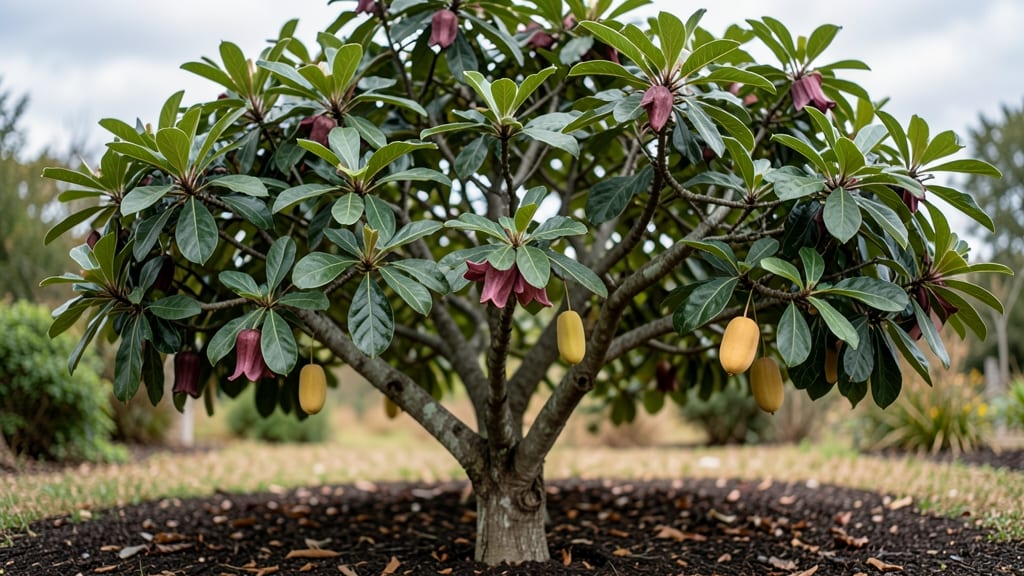
A pawpaw tree can grow between 25 and 40 feet tall—taller than most two-story homes—making it a striking but space-hungry addition to your yard.
If you're dreaming of growing pawpaws but wondering whether your backyard can accommodate their towering presence, you're not alone. Many gardeners hesitate because pawpaw trees can reach heights that dwarf even the largest fruit trees, but the good news is that some varieties mature faster and stay more compact.
Understanding their growth patterns is key, especially if you're working with a smaller garden or want to control their height. Below, I’ll break down exactly how tall pawpaw trees grow, which varieties stay shorter, and how to manage their size through pruning and spacing.
You’ll also discover the fastest-maturing pawpaw varieties that can reach harvestable fruit in as little as three years, so you don’t have to wait a decade for your first crop.


Pawpaw tree height by fastest-maturing varieties: exact growth expectations
Pawpaw trees (Asimina triloba) are native North American giants that can reach impressive heights, but not all varieties grow at the same rate. If you're working with a small garden or want faster fruit production, choosing one of the fastest-maturing pawpaw varieties is key.
These varieties typically reach mature height within 5-7 years compared to standard types that take a decade or more.
The Sunflower and Overleese varieties are among the quickest growers, often producing fruit within 3-4 years while still maintaining manageable heights. This makes them ideal for gardeners with limited space or patience. Understanding these growth expectations helps you plan your garden layout and tree spacing effectively.
Below is a detailed comparison of the top 5 fastest-maturing pawpaw varieties, including their mature heights, growth rates, and ideal spacing for both small and large gardens. This will help you decide which variety fits your space and goals best.
| Variety | Mature Height (ft) | Growth Rate (ft/year) | Time to Fruit (years) | Ideal Spacing (ft) | Best For |
|---|---|---|---|---|---|
| Sunflower | 20-25 | 2-3 | 3-4 | 15-20 | Small gardens |
| Overleese | 22-28 | 2.5-3.5 | 4-5 | 18-22 | Medium gardens |
| Potomac | 25-30 | 2-3 | 5-6 | 20-25 | Large gardens |
| Wilson’s Best | 28-35 | 2-3 | 6-7 | 25-30 | Large properties |
| Goetz | 30-35 | 2-2.5 | 7-8 | 30-35 | Spacious yards |
Note: Growth rates may vary based on soil quality, climate, and care practices.
While standard pawpaw varieties like Goetz can reach heights of 30-35 feet, the fastest-maturing types like Sunflower and Overleese stay more compact at 20-28 feet. This makes them perfect for gardeners with limited space or those who want to enjoy pawpaw fruit sooner.
For small gardens, the Sunflower variety is an excellent choice due to its 20-25 foot mature height and rapid growth. Plant it 15-20 feet away
How to control pawpaw tree height: pruning tips for compact growth
Pawpaw trees (Asimina triloba) can reach 25 to 40 feet tall if left unchecked, which may not suit every backyard. The good news? Strategic pruning techniques can keep your pawpaw tree at a manageable height while maintaining its health and fruit production.
Whether you're working with a young sapling or an established tree, understanding the best pruning practices will help you achieve the ideal size for your space.
Timing is everything when it comes to pruning pawpaws. Dormant-season pruning (late winter or early spring) is ideal for shaping and reducing height, as the tree isn't actively growing.
Summer pruning, on the other hand, should be minimal and focused on removing only dead or diseased branches to avoid stressing the tree during its peak growing season. Let’s dive into the specifics of how to manage your pawpaw’s height effectively.
🌱 Essential Pruning Tools & Safety Tips
- 1. Bypass Pruners: Use for small branches (under 1 inch) to make clean cuts without crushing the bark.
- 2. Loppers: Ideal for medium branches (1-2 inches)—ensure they have long handles for leverage.
- 3. Pruning Saw: Required for thick branches (over 2 inches)—choose a fine-toothed blade to avoid tearing.
- 4. Gloves & Safety Glasses: Protect your hands from thorns and debris and your eyes from flying sap.
- 5. Disinfectant: Clean tools with rubbing alcohol between cuts to prevent disease spread.
- 6. Ladder or Step Stool: Reach high branches safely—never stand on unstable surfaces.
Pro Tip: Always prune just above a bud or branch collar to promote faster healing and reduce disease risk.
To dwarf a pawpaw tree, focus on selective pruning during its dormant season. Start by removing up to 25% of the tree’s height in the first year, then gradually reduce the amount in subsequent years.
For example, if your tree is 10 feet tall, aim to trim it back to 7-8 feet in the first pruning session. This approach encourages compact growth while maintaining a balanced canopy.
Avoid the common mistake of over-pruning, which can stress the tree and reduce fruit production. Pawpaws are sensitive to aggressive cuts, so always prioritize healthy branch removal over drastic height reduction.
Additionally, never prune in fall, as this can stimulate new growth that won’t harden off before winter, leading to frost damage.
For ongoing height control, schedule annual pruning sessions in late winter or early spring before new growth begins. Focus on removing suckers at the base and water sprouts (vertical shoots) to redirect energy toward fruit production.
With consistent care, you can keep your pawpaw tree at a manageable 10-15 feet tall, perfect for small to medium-sized gardens.
Remember, the key to successful pawpaw pruning is patience and precision. By following these tips, you’ll enjoy a healthy, compact tree that produces delicious fruit without dominating your landscape. Happy pruning! ✂️