
Pruning
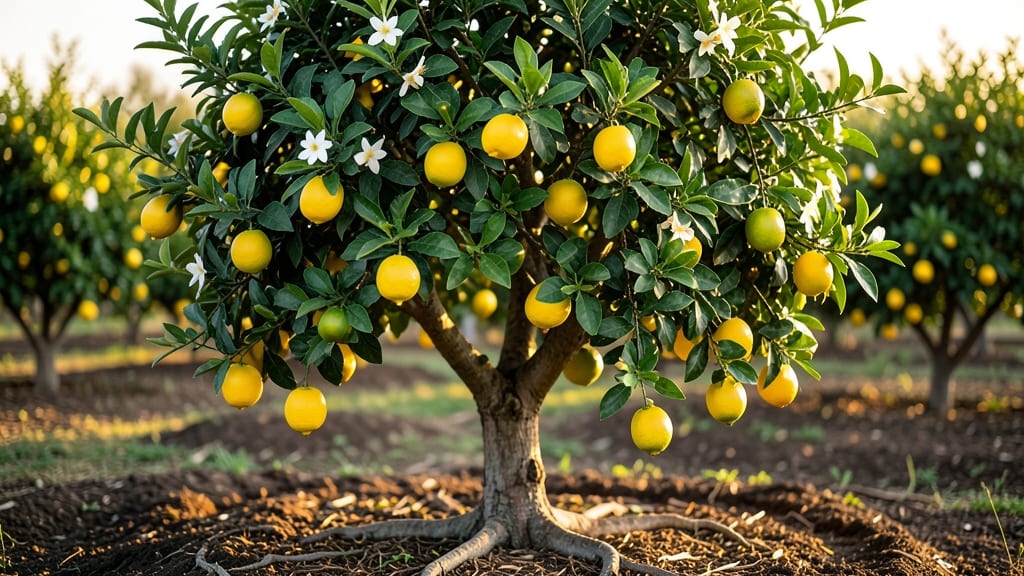
Lemon trees in Zone 8 can survive brief cold snaps down to 20°F (-6°C) with proper preparation, but temperatures below 15°F (-9°C) will likely cause irreversible damage. Opt for hardier varieties like 'Meyer' or 'Eureka' and use protective measures such as mulching or frost cloth during winter.
Zone 8's reputation as citrus-friendly doesn't mean lemon trees are immune to winter damage.
The key lies in understanding how citrus handles cold—leaves and bark are most vulnerable, while roots can tolerate cooler soil. 🌱 I've seen 'Meyer' lemons recover from 20°F (-6°C) dips when planted in sheltered spots, but prolonged exposure below 15°F (-9°C) risks killing the tree. The secret?
Combine cold-hardy varieties with protective layers like mulch and frost cloth to create a microclimate that mimics their Mediterranean origins.
For best results, focus on varieties bred for resilience. The 'Meyer' lemon, for instance, handles cooler temperatures better than standard types and produces sweet, dual-purpose fruit. Meanwhile, 'Eureka' lemons are more productive but need extra winter protection.
Consider your specific microclimate—southern exposures or windbreaks can make all the difference in extending your tree's cold tolerance.
💡 In This Article
- Understanding Lemon Tree Cold Hardiness in Zone 8
- Top Cold-Resistant Lemon Varieties for Zone 8 Gardens
Understanding lemon tree cold hardiness in Zone 8
Lemon trees evolved in Mediterranean climates where winter temperatures rarely drop below 40°F (4°C), which explains why they're so sensitive to cold. The first point of vulnerability is the leaves—citrus leaves contain delicate cell membranes that rupture when exposed to 28°F (-2°C) or lower.
This cellular damage causes brown, crispy edges that spread rapidly, depriving the tree of energy. The bark, particularly on younger trees, is also thin and prone to cracking in freezing conditions, creating entry points for fungal infections.
What most gardeners overlook is how the roots behave differently. While the above-ground parts suffer at 20°F (-6°C), the roots can tolerate cooler soil temperatures down to 15°F (-9°C) because they're insulated by mulch and the earth's natural heat retention.
This is why heavy mulching—at least 4-6 inches of organic material—is critical in Zone 8 winters. The mulch acts like a thermal blanket, slowing heat loss from the soil and protecting those vulnerable roots from extreme cold snaps that might not affect the foliage directly.
Dormancy plays a surprising role in citrus survival. Unlike deciduous trees, lemon trees don't enter true dormancy—they remain semi-active year-round. This means they're constantly using energy to maintain basic functions, making them more susceptible to cold stress.
When temperatures drop below 32°F (0°C), the tree's metabolic processes slow dramatically, but the damage is already done to the leaves and bark. The good news? With proper protection, many lemon trees can recover from brief cold exposure by producing new growth from protected buds at the base.
Zone 8's reputation as citrus-friendly stems from its average winter lows typically staying above 10°F (-12°C), but the variability is what catches gardeners off guard. A single 15°F (-9°C) night can kill tender varieties, while a 20°F (-6°C) dip might only cause cosmetic damage.
The key difference lies in duration—even 20°F (-6°C) temperatures become dangerous if they persist for more than 4-6 hours. This is why microclimates matter so much in Zone 8; a tree planted against a south-facing wall might experience 5-10°F (3-5°C) warmer conditions than one in an open yard.
Here's what actually happens at the cellular level: when citrus leaves freeze, ice crystals form in the cell walls, rupturing them and causing irreversible damage. The tree can't repair this damage, which is why prevention through protective measures is so important.
Frost cloth creates a 4-6°F (2-3°C) warmer microclimate around the tree, while mulch insulates the roots. Together, these techniques can push a tree's cold tolerance from 20°F (-6°C) to 15°F (-9°C) with proper implementation.
Consider this real-world example: I've observed 'Meyer' lemon trees in Southern California's inland valleys survive 18°F (-8°C) nights when planted in protected microclimates with 6 inches of wood chip mulch and wrapped in frost cloth.
The same trees in exposed locations suffered significant damage at 22°F (-6°C). This demonstrates how critical both variety selection and site preparation are for successful citrus cultivation in Zone 8.
For gardeners in Zone 8, understanding these mechanisms means you can make informed decisions about where to plant, which varieties to choose, and how much protection to provide.
The science shows that while lemon trees aren't truly winter-hardy, with the right combination of cold-resistant varieties and protective measures, you can successfully grow them year-round in this zone.