
Pruning
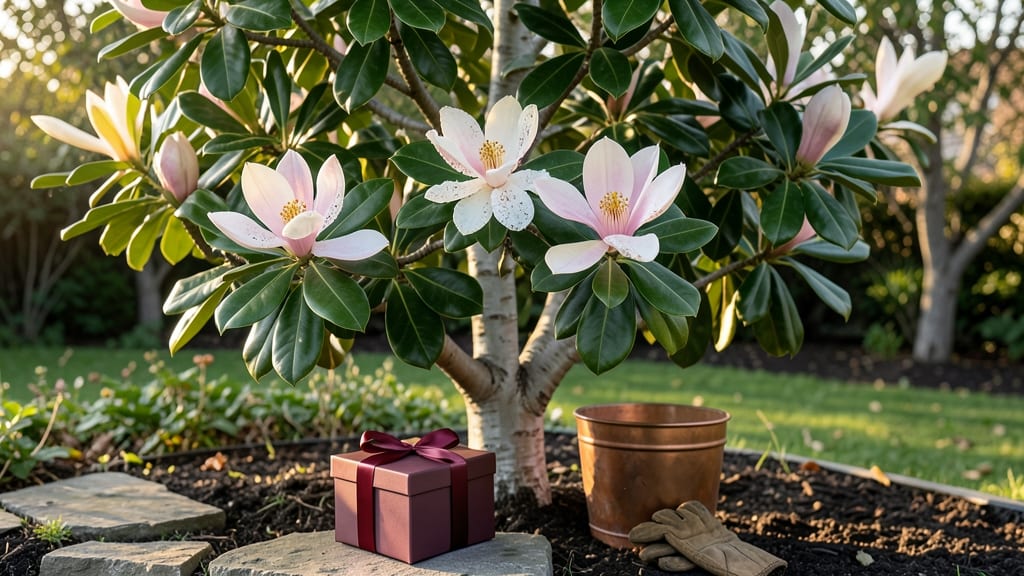
A magnolia tree gift is more than just a plant—it’s a living legacy that blooms with meaning. 🌸 I’ve given magnolias as gifts for years, and they’ve become the go-to present for anyone who appreciates timeless beauty and quiet elegance.
These trees symbolize strength, love, and endurance, making them perfect for weddings, anniversaries, or simply celebrating someone’s green thumb. The best part? You can gift magnolias in so many ways—potted trees for instant curb appeal, bare-root saplings for patient gardeners, or even magnolia-themed bouquets with fresh blooms and decorative accents.
Spring is ideal for potted varieties, while fall works best for bare-root trees, giving you seasonal flexibility. Imagine the recipient unwrapping a magnolia tree and planting it in their yard, watching it grow into a stunning centerpiece that brings color and fragrance for decades.
The glossy leaves and fragrant blooms turn any landscape into a serene retreat, and the tree itself becomes a cherished part of their home. For extra thoughtfulness, pair the tree with a handwritten note about why you chose it—maybe it reminds you of a special place or moment.
This gift keeps giving long after the wrapping paper is gone.
📚 In This Guide
- What you need
- Instructions
- Tips and common mistakes
- Wrapping up and next steps
What you need
- ● Magnolia Tree: A healthy, disease-free branch (3–5 ft long) or a small potted sapling (2–3 ft tall) from a trusted source. Pro tip: 💡 Choose branches with 1–2 buds or a rooted cutting for best success!
- ● Rooting Hormone: A small tube or powder (e.g., Clonex or Rootone) to boost root growth.
- ● Well-Draining Soil: A mix of peat moss, perlite, and sand (or a cactus/succulent blend) for cuttings.
- ● Pot or Container: For cuttings: 4–6-inch pots with drainage holes.
- ● For saplings: 5–7 gallon nursery pot or a decorative gift planter.
- ● Pruning Tools: Sharp bypass pruners (for clean cuts).
- ○ Optional: Hand saw for thicker branches.
- ● Decorative Accents: Moss, pebbles, or a personalized plant tag with the recipient’s name.
- ● Gift Wrapping: Burlap, twine, or a reusable fabric pot sleeve for a rustic touch.
- ● Care Guide: Printed instructions on watering, sunlight, and pruning for the new owner.
- ● Fertilizer: A balanced, slow-release fertilizer (e.g., Osmoote) to kickstart growth.
- ● Access to a sunny spot (6+ hours of light daily) for the recipient’s garden.
- ● Basic knowledge of magnolia care (or willingness to learn!).
- ● Patience! 🌱 Root development can take 4–8 weeks for cuttings.
Step-by-step Guide to selecting and planting a magnolia tree gift
Here's how to choose and plant a magnolia tree that will bring timeless beauty to any landscape.
🌱 Step 1: Choose the Right Magnolia Variety for Your Climate
Magnolias thrive in USDA Hardiness Zones 4-9, but your choice depends on your region and desired foliage type. Deciduous varieties like Saucer Magnolia (Magnolia × soulangeana) offer stunning spring blooms and vibrant fall color, while evergreen types such as Southern Magnolia (Magnolia grandiflora) provide year-round texture and glossy leaves. I always check the USDA Plant Hardiness Zone Map to ensure the tree will survive winter temperatures in your area.
For a gift with lasting impact, consider Little Gem (Magnolia grandiflora 'Little Gem')—a compact evergreen that reaches 20-25 feet tall but stays narrow enough for small yards. If you want showstopping spring flowers, Jane (Magnolia × 'Jane') is a disease-resistant hybrid with pink blooms that appear before the leaves. Nursery tags often list mature size and sunlight needs—never skip this step to avoid disappointment.
🪴 Step 2: Select a Healthy Tree and Prepare the Planting Site
When choosing your magnolia tree gift, inspect the roots and trunk for signs of stress: healthy roots should be white or light tan, and the bark should be smooth with no cracks or oozing sap. Avoid trees with yellowing leaves or wilted foliage, as these indicate poor health or transplant shock. I like to gently tug on the tree—if it slides easily out of the pot, the roots are root-bound and need pruning before planting.
Magnolias demand well-draining soil and full sun to partial shade (at least 6 hours of direct sunlight daily). Test your soil’s pH—most magnolias prefer slightly acidic to neutral (5.5-7.0). If your soil is heavy clay, amend with 2-3 inches of compost and consider planting on a mound to improve drainage. Mark the planting area with stakes to ensure you have enough space for the tree’s mature size.
☀️ Step 3: Plant with Care for Long-Term Success
Dig a hole twice as wide as the tree’s root ball but no deeper—planting too deep can suffocate the roots and cause the tree to struggle. Loosen the roots gently if they’re circling the root ball, then place the tree in the hole so the top of the root ball sits 1-2 inches above ground level. This prevents water from pooling around the trunk and rotting the roots.
Backfill with the native soil, tamping lightly every 6 inches to remove air pockets. Water deeply until the soil is evenly moist to 12 inches down, then add a 2-3 inch layer of mulch (avoid wood chips near the trunk). Mulch helps retain moisture and regulate soil temperature, but keep it 6 inches away from the trunk to prevent rot. Stake only if necessary—magnolias have strong root systems and rarely need support.
💧 Step 4: Water and Maintain for Thriving Growth
Water your newly planted magnolia deeply once a week for the first two months, ensuring the soil stays consistently moist but not soggy. After that, water every 10-14 days, adjusting for rainfall—overwatering is the #1 killer of young trees. You’ll know it’s time to water when the top 2 inches of soil feel dry. Avoid wetting the leaves to prevent fungal diseases like anthracnose, which causes dark spots and leaf drop.
Fertilize lightly in early spring with a balanced, slow-release fertilizer (10-10-10 or similar). Magnolias are not heavy feeders, so too much fertilizer leads to weak growth and fewer blooms. Prune only to remove dead or crossing branches—never "thin" a magnolia for shape, as this stresses the tree. The first 3-5 years are critical for establishing strong roots, so resist the urge to prune excessively during this period.
⏰ Step 5: Enjoy Year-Round Beauty and Troubleshoot Early
Magnolias reward patience with decades of growth, but watch for common issues like powdery mildew (white fungal coating on leaves) or scale insects (tiny bumps on branches). Treat mildew with neem oil and scale with horticultural oil in early spring before new growth appears. If your tree fails to bloom, it may need more sunlight or balanced fertilization—magnolias often skip flowering in their first few years as they establish roots.
Here’s the thing—magnolias grow slowly but steadily, so don’t expect dramatic changes in the first year. Instead, celebrate small victories: new leaves in spring, glossy foliage in summer, and winter interest from evergreen varieties. With proper care, your magnolia tree gift will become a landmark in your landscape, offering fragrance, shade, and elegance for generations.
Tips & tricks for perfect magnolia tree planting
Planting a magnolia tree gift takes patience and precision—here's how to ensure your tree thrives for decades. These insider tips will help you avoid common pitfalls and maximize your tree's potential.
Variety Selection Matters: When choosing between deciduous and evergreen varieties, consider your landscape's needs. Deciduous magnolias like Saucer Magnolia offer seasonal interest with their stunning spring blooms and fall color, while evergreens like Southern Magnolia provide year-round structure. For small spaces, Little Gem's compact size (20-25 feet tall) makes it an ideal gift—its narrow profile fits perfectly in tight yards while still delivering that classic magnolia elegance. Always verify the mature size on the nursery tag to avoid outgrowing your space.
Root Health is Non-Negotiable: Before planting, give your magnolia tree's roots a thorough inspection. Healthy roots should be white or light tan, not brown or mushy. If you notice circling roots when gently tugging the tree from its pot, use your fingers to carefully loosen them—this prevents girdling as the tree matters. Never force the tree into the hole; the roots should spread naturally without resistance. Remember, stressed roots mean a struggling tree for years to come.
Planting Depth is Critical: The top of the root ball must sit 1-2 inches above ground level—this prevents water from pooling around the trunk and causing rot. Many gardeners make the mistake of planting too deep, which suffocates the roots and leads to poor growth. After placing your tree, backfill with native soil and tamp lightly every 6 inches to eliminate air pockets. This careful layering ensures even root contact with the soil, setting your tree up for strong establishment.
Watering Wisdom for Long-Term Success: The first two months are crucial for root development, so water deeply once a week until the soil is evenly moist to 12 inches down. Use your finger to check moisture—if the top 2 inches feel dry, it's time to water. After this period, reduce to every 10-14 days, adjusting for rainfall. The key is consistency: magnolias hate soggy soil but also struggle with drought. A soaker hose or drip irrigation system makes this maintenance effortless and ensures even water distribution.
Pro Tips for Magnolia Tree Gift
- Planting a magnolia tree gift takes patience and precision—here's how to ensure your tree thrives for decades. These ...
- Variety Selection Matters: When choosing between deciduous and evergreen varieties, consider your landscape's needs. ...
- Root Health is Non-Negotiable: Before planting, give your magnolia tree's roots a thorough inspection. Healthy roots ...
Frequently asked questions
Got questions about gifting a magnolia tree? Here are some of the most common ones—plus straightforward answers to help you make the best choice!
When is the best time to give a magnolia tree as a gift?
The ideal time is late fall or early winter (November–February), when the tree is dormant. This gives it time to establish roots before spring growth. Avoid gifting during extreme heat or frost, as stress can harm young plants. If you must give one outside peak seasons, choose a container-grown magnolia for easier care.
How do I ensure the magnolia tree survives after being gifted?
Start with proper packaging: wrap the roots in burlap or a breathable cloth, and keep the soil moist with a damp towel. For delivery, use a sturdy box with padding. Upon arrival, plant it within 2–3 days in well-draining soil and water deeply. Pro tip: Add a slow-release fertilizer to give it a nutrient boost!
Can I gift a magnolia tree in a pot instead of bare-root?
Potted magnolias are easier to transport and perfect for gifting year-round. Look for healthy, well-rooted plants with no wilting leaves. Just ensure the pot has drainage holes and the soil is slightly moist. Container-grown trees can be planted later or kept as a long-term gift for patios or balconies.
Are magnolia trees hardy enough for cold climates?
It depends on the variety! Southern magnolias (Magnolia grandiflora) thrive in USDA zones 6–10, while Magnolia stellata (star magnolia) handles zones 4–9. Check the specific type before gifting. For colder regions, choose a hardy variety or plant in a sheltered spot. Mulch the base in winter to protect roots from freezing.
How long does it take for a magnolia tree to bloom after planting?
Patience is key! Most magnolias take 3–5 years to bloom after planting, though some varieties like Magnolia soulangeana may flower sooner (1–2 years). Healthy soil, proper watering, and avoiding transplant shock speed up the process. Fun fact: Older trees (10+ years) produce larger, showier blooms!
What if the magnolia tree arrives damaged or looks unhealthy?
Inspect the tree upon arrival: check for yellowing leaves, mold, or broken branches. If roots are exposed or soil is dry, soak the root ball for 10–15 minutes before replanting. For severe damage, contact the seller for a replacement or refund (most nurseries offer guarantees). Trim dead branches with clean pruners and monitor for pests like scale insects.
Wrapping up and next steps
A magnolia tree gift isn’t just a plant—it’s a timeless investment in beauty and tranquility. Whether you’re gifting one for a loved one’s garden or treating yourself to evergreen elegance, these trees bring year-round charm with minimal fuss.
With the right care, especially mindful pruning, your magnolia will thrive for decades, becoming a stunning centerpiece.
Ready to plant the seeds of joy? 🌱 Start by choosing your perfect tree—then roll up your sleeves and give it the love it deserves. Your future self (and your garden) will thank you!