
Pests and Diseases
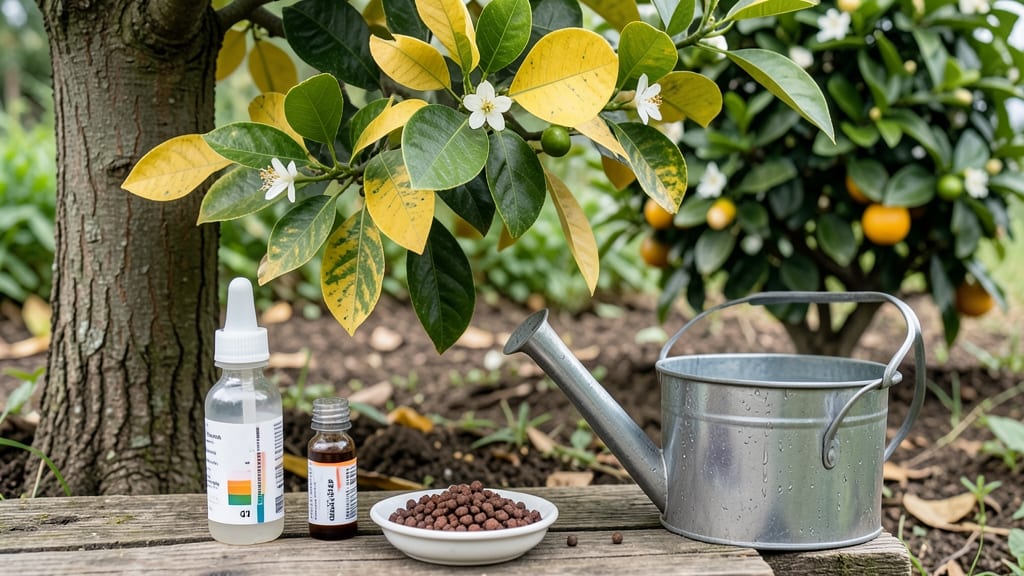
Your mandarin tree's yellow leaves aren't a death sentence—just a nutrient SOS. 🌿 I've nursed back more than a few citrus trees from this exact problem, and the fix is simpler than you'd think.
Most gardeners overlook the basics: watering, soil health, and a few key nutrients that citrus trees crave but can't find on their own.
The real culprits are usually iron deficiency (showing as yellow between veins) or overwatering (roots drowning in soggy soil). I've seen trees bounce back in just 2-3 weeks once we address the root cause.
The good news? You don't need fancy tools—just a soil test kit, some basic amendments, and a watering schedule that matches your climate.
By the end of this, you'll have a tree that's vibrant green again, with new growth pushing out within 4-6 weeks. The best part? These fixes prevent future yellowing too. We'll tackle soil pH, targeted fertilizers, and even how to spot hidden pests before they become a bigger problem.
Works for potted mandarins, backyard trees, or even those tricky dwarf varieties. Let's get your tree back to its healthy, fruit-bearing self—no citrus greening required.
Root Causes Behind Fading Foliage
Yellowing leaves on your mandarin tree aren’t just a cosmetic issue—they’re a cry for help from your citrus companion. 🌿🍊 Understanding the why behind the discoloration is the first step toward restoring your tree’s vibrant green health.
Below, we break down the most common culprits, from nutrient shortages to hidden pests, with actionable science-backed explanations.
Citrus trees thrive on a balanced diet, and when one nutrient goes missing, the leaves often turn yellow as a distress signal. Here’s what’s likely starving your mandarin tree:
📊 Chlorosis: The Iron & Magnesium ShortageYellow leaves with green veins? You’re probably dealing with chlorosis, a condition caused by a lack of chlorophyll. Two key nutrients are usually to blame:
- Iron (Fe): Essential for chlorophyll production, iron deficiency often appears as interveinal yellowing (yellowing between veins) on younger leaves. Soil pH >7.0 locks out iron, making it unavailable even if it’s present. Solution: Apply chelated iron or use acidifying fertilizers like sulfur.
- Magnesium (Mg): Older leaves turn yellow first when magnesium is low, starting at the edges and moving inward. Magnesium is mobile in the plant, so it’s “borrowed” from older leaves when new growth needs it. Solution: Use Epsom salt (magnesium sulfate)—mix 1 tbsp per gallon of water and spray or water the soil monthly.
Pale yellow leaves (not just green-yellow) on older leavesSolution: Test your soil and apply a balanced citrus fertilizer (e.g., 6-6-6 or 8-3-9) with a focus on nitrogen. Organic options like alfalfa meal or composted manure work too.
Citrus trees hate soggy feet and drought stress alike. Both extremes disrupt nutrient uptake, leading to yellowing leaves.
💧 Overwatering: The Suffocation EffectYellow leaves with wilting or brown edges? Overwatering is likely. Excess moisture displaces oxygen in the soil, causing:
- Root rot: Fungal infections (like Phytophthora) thrive in waterlogged soil, blocking nutrient absorption.
- Nutrient leaching: Water washes away essential minerals faster than roots can uptake them.
- Check soil moisture: Stick your finger 2–3 inches deep—if it’s damp, wait to water.
- Improve drainage: Amend soil with perlite or sand, and ensure pots have drainage holes.
- Water deeply but infrequently: 1–1.5 inches per week (adjust for climate).
Dry, crispy yellow leaves with curled edges scream “I’m thirsty!” Citrus trees native to Mediterranean climates prefer consistent moisture. Solution: Water when the top 1–2 inches of soil are dry, and use mulch to retain moisture.
Pests like aphids, spider mites, and scale insects drain sap from leaves, causing yellowing, stippling, or even leaf drop. Their damage disrupts photosynthesis and nutrient flow.
🐜 Spider Mites & Aphids: The Tiny VampiresLook for:
- Fine webbing (spider mites)
- Sticky residue (aphid “honeydew”)
- Yellowing new growth (their favorite snack)
- Blast them off with a strong spray of water (disrupts their life cycle).
- Use neem oil (1 tsp per quart of water) or insecticidal soap.
- Introduce predatory mites or ladybugs for organic control.
These pests attach to stems/leaves like tiny shields, sucking sap and leaving yellow patches or black sooty mold (a fungal hitchhiker). Solution: Scrape off visible scales with a soft brush dipped in rubbing alcohol, then treat with horticultural oil.
Citrus trees are tropical at heart but can’t handle extreme conditions. Sudden temperature shifts or harsh elements trigger yellowing as a survival tactic.
☀️ Heat Stress & SunburnYellowing with brown, crispy patchesSolution:
Yellowing after a frost? Cold snaps rupture cell walls, causing leaves to turn yellow or brown. Solution: Protect your tree with frost cloth or a windbreak during winter. Pro Tip: 🔍 Diagnose like a pro: Examine the pattern of yellowing (new vs. old leaves), leaf edges (crispy = drought; soft = overwatering), and undersides of leaves (pests love to hide there!).
❄️ Cold Damage: The Freeze Factor
Revive Your Mandarin Tree Now
Yellow leaves on your mandarin tree aren’t just an eyesore—they’re a cry for help! The good news? Most causes of yellowing foliage are fixable with targeted care.
Below, we’ve mapped out practical solutions for each common trigger, from quick fixes to long-term prevention. Roll up your sleeves—your citrus tree is counting on you!
---
Signs: Yellowing leaves (especially lower ones), soggy soil, or roots exposed above the ground.
#### How to Turn It Around 1. 🔥 Pause Watering Immediately Let the top 2–3 inches of soil dry out completely before watering again. Stick your finger in the soil—if it’s damp past your first knuckle, wait longer.
2. 🍳 Improve Soil Drainage - For pots: Repot your mandarin tree into a container with drainage holes (if missing, drill them) and use a well-draining mix (50% potting soil, 30% perlite, 20% sand or gravel). - For ground-planted trees: Amend the soil with compost or coarse sand to break up compacted areas.
Create a slight mound around the base to encourage runoff.
3. 👨🍳 Check the Roots Gently loosen the top 4–6 inches of soil to inspect for rotted or mushy roots. Trim any black/brown roots with sterilized pruners and dust the cuts with cinnamon powder (natural antifungal).
4. ⏰ Adjust Your Watering Schedule Mandarin trees prefer deep but infrequent watering. Aim for 1–2 times per week in summer (less in winter) and water at the base, not overhead.
#### 💡 Prevention Tips - 🌡️ Mulch Matters: Add 2–3 inches of organic mulch (wood chips or straw) around the base (keep it 3 inches away from the trunk) to regulate moisture. - ✨ Choose the Right Pot: Terracotta pots help wick away excess moisture—great for container-grown trees. - 🎯 Test Your Soil: If you’re unsure, grab a soil moisture meter ($10–$15) to avoid guesswork.
---
Signs: Yellow leaves with green veins (iron/chlorosis), stunted growth, or leaves curling at the edges (nitrogen/zinc).
#### How to Treat It 1. 🔥 Soil Test First Grab a DIY soil test kit (or send a sample to a local extension office) to confirm which nutrients are lacking.
Common deficiencies in citrus: - Iron (Fe): Yellow between veins (interveinal chlorosis). - Nitrogen (N): Pale yellow leaves, slow growth. - Zinc (Zn): Small, yellow leaves with dark spots.
2. 🍳 Apply the Right Fertilizer - For iron deficiency: Use chelated iron (like Ironite or Sequestrene) or Epsom salt (1 tbsp per gallon of water, spray on leaves). - For nitrogen: Switch to a balanced citrus fertilizer (6-6-6 or 8-3-9) and apply every 4–6 weeks in growing season (spring–fall). - For zinc: Sprinkle zinc sulfate (½ tsp per gallon of water) on soil or spray foliar solution.
3. 👨🍳 Boost Microbes Add compost or worm castings to the topsoil to improve nutrient uptake. Mycorrhizal fungi (available as powder) can also help roots absorb minerals better.
4. 🥘 Adjust pH if Needed Citrus thrives in slightly acidic soil (pH 6.0–7.0). If your soil is too alkaline (common in clay or limestone areas), amend with sulfur or peat moss to lower pH.
#### 💡 Prevention Tips - 📊 Feed Regularly: Stick to a spring/fall fertilization schedule—overdoing it can burn roots! - 🥗 Use Organic Matter: Mix aged compost into the soil annually to replenish nutrients naturally. - 🍎 Avoid Overwatering: Wet soil leaches nutrients—keep it consistently moist but not soggy.
---
Signs: Yellowing leaves paired with sticky residue (aphids), holes (spider mites), or fungal spots (powdery mildew).
#### How to Treat It 1. 🔥 Identify the Culprit - Sap-sucking pests (aphids, scale, spider mites): Check undersides of leaves for tiny bugs or webbing. - Fungal issues (anthracnose, root rot): Look for dark spots, mold, or mushy stems.
2. 🍳 Natural Pest Control - 👨🍳 Spray with Soap Solution: Mix 1 tsp mild dish soap + 1 quart water and spray directly on pests (test on a small leaf first). - 🥘 Introduce Beneficial Insects: Ladybugs and lacewings devour aphids—buy them online or attract them with neem oil sprays. - ⏰ Prune Infested Branches: Cut off yellowed or curled leaves and dispose of them in a sealed bag (don’t compost!).
3. 🔪 Fungal Remedies - 🌡️ Neem Oil Spray: Mix 1 tbsp neem oil + 1 tsp mild soap + 1 quart water. Spray every 7–10 days until symptoms fade. - ✨ Copper Fungicide: For severe cases, use Bordeaux mixture or copper-based sprays (follow label instructions).
#### 💡 Prevention Tips - 🎯 Inspect Weekly: Flip leaves and check new growth for early signs of pests. - 🌿 Improve Airflow: Thin out dense branches to reduce humidity (fungi love damp, crowded spaces). - 🍎 Quarantine New Plants: If adding new citrus trees, keep them separate for 2 weeks to spot hitchhiking pests.
--- Signs: Sudden yellowing after frost, extreme heat, or wind damage.
#### How to Protect Your Tree 1. 🔥 Shelter from Elements - Cold snaps: Cover young trees with frost cloth or move potted trees to a garage/shed if temps drop below 25°F. - Scorching sun: Provide afternoon shade (use shade cloth) if leaves look crispy or bleached.
2. 🍳 Mulch for Temperature Control Apply 3–4 inches of mulch around the base to insulate roots in winter and retain moisture in summer.
3. 👨🍳 Windbreaks Plant tall shrubs or use a windbreak fence to shield delicate branches. For potted trees, move them to a sheltered spot.
#### 💡 Prevention Tips - 🌡️ Acclimate Gradually: If moving a potted tree outside, harden it off by placing it in shade for a week before full sun. - 🎯 Choose the Right Spot: Mandarin trees need 6+ hours of sun but protection from harsh winds. - 🥗 Water Deeply Before Cold: A deep watering before winter helps roots withstand frost.
--- If your tree shows multiple symptoms (e.g., yellowing + wilting + blackened stems), it may have a serious disease (like citrus blight) or root damage. Contact a local arborist or extension service for a diagnosis—some issues (like citrus greening) require professional treatment.
--- 🌟 Pro Tip: Keep a tree care journal! Note when you water, fertilize, and spot new symptoms. Patterns (like yellowing after heavy rain) can pinpoint the exact cause faster next time.
Frequently asked questions
Why do mandarin tree leaves turn yellow in patches but stay green along the veins?
This classic interveinal chlorosis signals an iron deficiency, often caused by alkaline soil (pH >7.0) locking out available iron. Citrus trees need chelated iron supplements—try spraying leaves with Epsom salt solution (1 tbsp/gallon) or applying sulfur to lower soil pH gradually.
Can I save my mandarin tree if the yellow leaves keep falling off?
Yes, but act fast! Yellow leaf drop usually means root rot (from overwatering) or severe nutrient deficiency. Stop watering immediately, check for mushy roots, and repot in well-draining soil with perlite. For nutrient issues, use a balanced citrus fertilizer (6-6-6) and monitor closely.
How often should I fertilize a mandarin tree to prevent yellow leaves?
Feed your tree every 4-6 weeks during growing season (spring-fall) with a citrus-specific fertilizer (like 8-3-9). Over-fertilizing burns roots—always water thoroughly before applying. In winter, reduce to once every 2 months or stop completely if dormant.
Are yellow leaves on my potted mandarin tree a sign of transplant shock?
Possibly! Potted mandarins often yellow after repotting due to root disturbance or poor drainage. Ensure your pot has drainage holes and use a well-aerated mix (50% potting soil, 30% perlite, 20% sand). Keep the tree in bright, indirect light and water only when the top 1-2 inches of soil are dry.
Will pruning yellow leaves help my mandarin tree recover?
Yes, but focus on removing only the worst affected leaves—never prune more than 25% of foliage at once. Pruning stimulates new growth, but don't expect immediate results. Pair it with fixing the root cause (water, nutrients, or pests) for best results. Always sterilize pruners with rubbing alcohol to prevent disease.