
Pruning
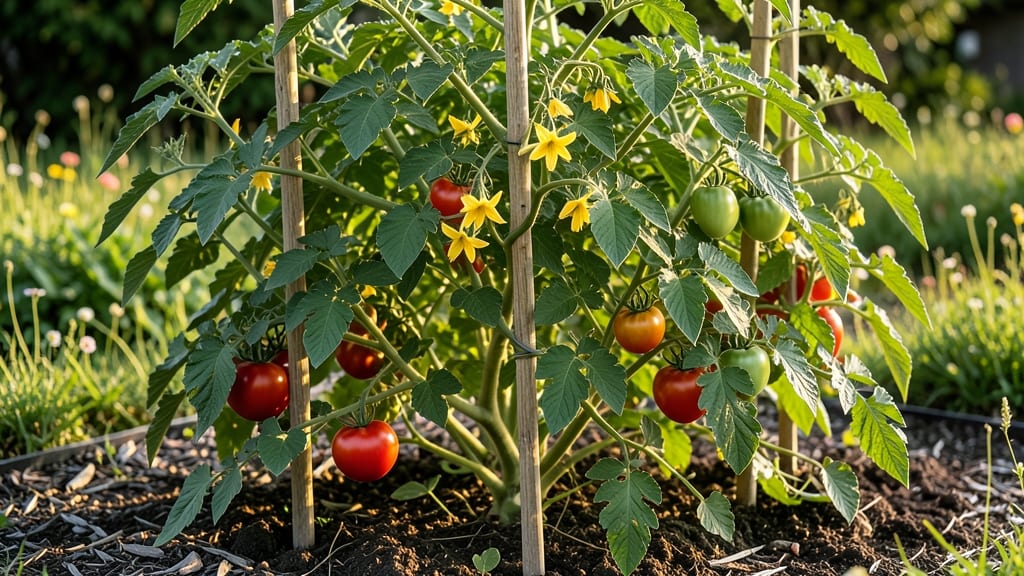
Growing a tomato tree giant is like cultivating a small, edible jungle—except every leaf supports a fruit that tastes like summer in a bite. 🌿 The secret to those massive, vine-heavy yields isn’t just water or sun; it’s pruning with purpose—cutting back to encourage stronger growth, better airflow, and fruit that keeps coming all season long.
This isn’t your average tomato plant. The "Giant" variety grows 10+ feet tall if left unchecked, so support is non-negotiable. A sturdy trellis or cage isn’t just decoration—it’s the difference between a bush that flops and one that produces 50+ pounds of tomatoes.
Pruning isn’t optional; it’s how you train this plant to focus its energy on fruit, not just foliage.
By the time summer fades, you’ll have a vine so lush it looks like a tropical forest, but every cluster will be heavy with ripening tomatoes. The key? Strategic cuts every 2-3 weeks—removing suckers, thinning leaves, and shaping the plant to maximize sunlight.
No more sad, sprawling bushes; just a productive powerhouse that keeps giving until frost.
Works for backyard gardens, containers (with extra support), or even greenhouses. Here’s how to turn that rambling vine into a year-round harvest machine—without losing your mind in the process.
📚 In This Guide
- What you need
- Instructions
- Tips and common mistakes
- Wrapping up and next steps
What you need
- ● Pruning shears: Bypass pruners (sharp, sterilized with rubbing alcohol) for clean cuts on stems up to ½ inch thick.
- ● Pruning saw: For thicker branches (over ½ inch)—look for a fine-tooth saw to avoid tearing.
- ● Gloves: Heavy-duty, cut-resistant gloves (e.g., leather or reinforced fabric) to protect from thorns and sap.
- ● Disinfectant: 70% isopropyl alcohol or a copper-based fungicide to sterilize tools between cuts.
- ● Garden twine or clips: For supporting heavy branches (e.g., ¼-inch twine or tomato clips).
- ● Organic mulch: Straw or wood chips (2–3 inches thick) to retain moisture and suppress weeds.
- ● Fertilizer: Balanced 10-10-10 or tomato-specific fertilizer (follow package rates).
- ● Watering can or hose: With a gentle spray nozzle to avoid damaging new growth.
- ● Hand pruners: For precision cuts on smaller stems (ergonomic grips reduce hand fatigue).
- ● Tree stakes or cages: Sturdy 5-foot tall tomato cages or wooden stakes for extra support.
- ● Growth regulator: Paclobutrazol (follow label) to control excessive height in indeterminate varieties.
- ● Soil tester kit: To check pH (ideal: 6.0–6.8) and nutrient levels before pruning.
- ● Plant tie-downs: Velcro straps or soft plastic ties for secure yet gentle branch support.
- ● Compost or worm castings: For rich, nutrient-dense soil amendments post-pruning.
How to prune a tomato tree giant for maximum year-round fruit
This method transforms a sprawling vine into a productive, manageable "tree" that keeps bearing through seasons.
✂️ Step 1: Identify the Main Stem and Primary Branches
Start by locating the main vertical stem—this becomes your trunk. Use sharp pruning shears to remove any competing vertical shoots growing from the base, cutting them back to the soil line. These shoots steal energy from fruit production. I always work in the morning when the plant is hydrated and cuts heal faster.
Next, select 3-4 strongest horizontal branches radiating from the main stem. These will form your "tree" structure. Remove weaker branches entirely at their base. You'll know you've chosen well when these branches have thick stems and multiple leaf clusters—signs of strong growth potential.
✂️ Step 2: Prune for Airflow and Light Penetration
Step back and examine the plant structure. Your goal is to create an open, airy framework that allows sunlight to reach all fruit clusters. Remove any branches growing inward or crossing others—these create shaded, disease-prone zones. Cut back to the nearest outward-facing bud or lateral branch.
For the remaining branches, trim back by one-third to encourage bushier growth. Look for sucker growth (small shoots in the leaf axils) and pinch these off early—they drain energy from fruit development. I always sanitize my shears with rubbing alcohol between cuts to prevent spreading disease.
☀️ Step 3: Seasonal Maintenance for Continuous Production
After the first harvest wave, enter the maintenance phase. In late summer, prune again to remove any branches bearing small, underdeveloped fruit—these won't ripen before frost. Instead, focus on keeping 3-4 main branches with 6-8 fruit clusters each. This redirection ensures larger, healthier tomatoes.
As winter approaches, give your "tree" a final light pruning. Cut back all branches by half their length, removing any dead or diseased wood. This winter pruning stimulates new spring growth from the base. I always prune just above a leaf node—this ensures new shoots emerge quickly in spring.
🌱 Step 4: Post-Pruning Care for Recovery
The first 7-10 days after major pruning are critical. Water deeply at the base every 2-3 days until you see new growth—this prevents transplant shock-like stress. Avoid overhead watering, which can introduce fungal spores to fresh cuts. I use a soaker hose for targeted hydration.
Monitor for new shoots emerging from the pruned areas. These indicate successful pruning. Fertilize lightly with a balanced 10-10-10 formula 2 weeks after pruning to support regrowth. Avoid heavy nitrogen—it promotes leafy growth at the expense of fruit. Watch for yellowing leaves as a sign of over-fertilization.
⏰ Step 5: Year-Round Adjustments for Extended Harvest
In mild climates, your tomato "tree" can continue producing through fall and even winter. After each harvest wave, prune again to remove spent branches and encourage new growth. I've seen plants bearing fruit for 9 months straight with this method—just keep the structure open and the soil moist.
For winter care, move potted specimens to a protected location with 6+ hours of sunlight. Reduce watering by half but keep the soil slightly moist. In spring, prune back again to remove any weak growth from winter dormancy. This keeps your "tree" productive and prevents overcrowding.
Tips & tricks for perfect tomato tree giant pruning
Transforming a sprawling tomato vine into a productive "tree" requires precision—and these pro tips will help you avoid common pitfalls while maximizing fruit production.
Timing is Everything: Morning is the ideal time to prune because the plant's cells are fully hydrated, making cuts heal faster and reducing stress. I've noticed that afternoon pruning can leave plants more vulnerable to sunburn on fresh cuts, especially in hot climates. If you must prune later, water thoroughly beforehand to compensate.
The One-Third Rule: When trimming back branches in Step 2, the "one-third" guideline isn't arbitrary—it creates the perfect balance between air circulation and growth stimulation. Cutting back too little leaves branches overcrowded, while removing too much sacrifices future yield. I always verify by counting nodes: a one-third trim typically leaves about 3-4 leaf clusters per branch.
Visual Pruning Cues: Instead of guessing, look for these telltale signs: healthy leaf clusters should have vibrant green leaves with minimal yellowing, and stems should feel firm when gently squeezed. In Step 3's late summer pruning, focus on removing branches with tiny, green tomatoes—they'll never ripen properly before cold weather. These visual cues help me make decisions without second-guessing.
Post-Pruning Recovery Hack: The 7-10 day recovery window is your plant's chance to establish new root growth. During this time, I monitor for "new shoot" emergence by gently brushing my fingers along the main stem—you'll feel tiny bumps where new growth is starting. This tactile check helps me confirm successful pruning before fertilizing.
Pro Tips for Tomato Tree Giant
- Transforming a sprawling tomato vine into a productive "tree" requires precision—and these pro tips will help you avoid common pitfalls while maximizing fruit production.
- Timing is Everything: Morning is the ideal time to prune because the plant's cells are fully hydrated, making cuts heal faster and reducing stress.
- The One-Third Rule: When trimming back branches in Step 2, the "one-third" guideline isn't arbitrary—it creates the perfect balance between air circulation and growth stimulation.
Frequently asked questions
How often should I prune my Tomato Tree Giant?
Prune your Tomato Tree Giant regularly throughout the growing season—every 2–4 weeks—to encourage bushier growth and better fruit production. Focus on removing suckers (side shoots between the stem and branches) and yellowing leaves. In winter, do a light cleanup to shape the tree and remove dead wood. Pro tip: Avoid over-pruning in late summer, as it can stress the plant before harvest!
When is the best time to start pruning?
Begin pruning early in the season (when the plant is 12–18 inches tall) to establish a strong framework. Remove the bottom leaves to improve airflow and reduce disease risk. Pause pruning when flowers appear to avoid stunting fruit development. Resume light maintenance pruning post-harvest to prep for the next season.
Will pruning my Tomato Tree Giant reduce my tomato yield?
Not if done correctly! Pruning actually boosts yield by directing energy to larger, healthier fruit and improving air circulation. However, over-pruning (especially late in the season) can reduce production. Stick to 20–30% of the plant’s foliage per session, and prioritize healthy growth over aggressive trimming.
What should I do if my Tomato Tree Giant gets too large?
If your Tomato Tree Giant outgrows its space, thin out dense branches to open up the canopy. Use pruners to cut back overcrowded stems to the nearest leaf node, and remove any crossing or rubbing branches. For extreme cases, consider topping (cutting the main stem) to encourage bushier growth—but save this for early spring!
Can I grow a Tomato Tree Giant in containers?
Yes! This variety thrives in large containers (15+ gallons) with proper drainage. Use a balanced fertilizer and prune more aggressively to control size. Just ensure the pot gets 6+ hours of sunlight daily and water consistently. Pro tip: Dwarf or semi-dwarf varieties (like ‘Tiny Tim’) may be easier for container growing if space is limited!
Wrapping up and next steps
Growing a tomato tree giant through strategic pruning isn’t just about technique—it’s about patience, observation, and a little love for your plants! 🌱 By mastering the art of year-round trimming, you’ll unlock a bountiful harvest that keeps giving, even in cooler months.
Whether you’re a seasoned gardener or just starting, these steps will help you nurture a thriving, productive tomato tree.
Now that you’re armed with the right tools and knowledge, roll up your sleeves and get pruning! Start small, stay consistent, and watch your tomato tree giant flourish.
Ready to take your gardening game to the next level? Try your first pruning session this weekend—your future tomatoes will thank you! 🍅✨