
Size
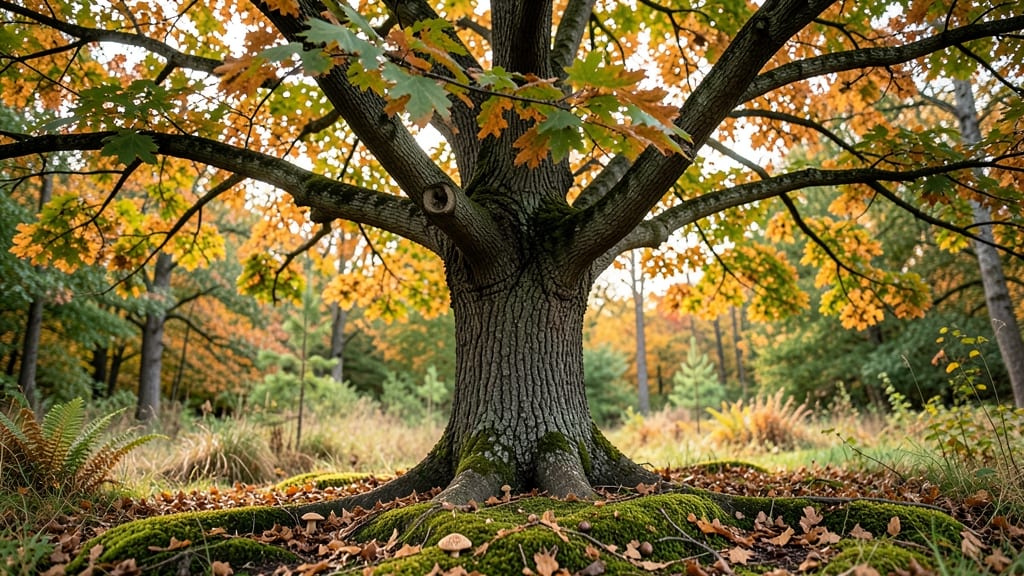
Morel mushrooms grow by specific trees like ash, apple, elm, and sycamore, often appearing near decaying roots or stumps in spring. These fungi thrive in moist, well-drained soil with their host trees' organic matter.
Morels form a special bond with their host trees through mycorrhizal networks, where the fungi exchange nutrients with tree roots. 🌳 The decaying wood and rich organic matter from these trees create the perfect environment for morels to fruit, especially after spring rains.
Ash trees, in particular, are a favorite because their roots provide both moisture and the right balance of nutrients. While you won't find morels growing directly on healthy trees, look for areas where fallen branches or old stumps create microclimates with just enough shade and humidity.
Foraging success often depends on recognizing these host trees in the wild. Apple trees, for example, attract morels in orchards, while sycamores near creek beds create ideal conditions.
The key is observing the forest floor after warm, wet springs—morels emerge when the soil temperature reaches 50-60°F and the tree's sap begins flowing again. Always check for conifer neighbors too, as their needles help maintain the right moisture levels.
💡 In This Article
- Morel Mushroom Host Trees: Science Behind the Symbiotic Relationship
- Best Trees for Morel Foraging: Identification and Location Tips
Morel mushroom host trees: science behind the symbiotic relationship
The bond between morels and their host trees begins underground through a mycorrhizal relationship. These fungi form intricate networks with tree roots, exchanging nutrients: the morels provide trees with phosphorus and nitrogen, while the trees supply carbohydrates through photosynthesis.
This partnership is particularly strong with ash trees because their roots create a porous, well-aerated soil that morels prefer. 🌱 The decaying wood from dead or dying trees releases additional organic matter, which morels break down to fuel their growth.
Morels don't grow on living trees but instead appear near decaying roots or stumps, where the soil is rich in cellulose and lignin. The fungi detect these nutrient hotspots through specialized enzymes that break down complex organic compounds.
Ash trees, with their compound leaves and fast-growing nature, produce abundant organic debris that creates ideal conditions. Apple trees also attract morels because their shallow root systems create microclimates with consistent moisture levels—perfect for morel fruiting bodies to emerge after spring rains.
The seasonal timing of morel emergence is directly tied to tree sap flow and soil temperature. Most morels appear between March and May, when soil temperatures reach 50-60°F and tree sap begins circulating again. This coincides with the tree's increased nutrient transport, which the morels leverage for growth.
The fungi respond to these conditions by producing fruiting bodies—those distinctive honeycomb-shaped caps we recognize. Without this symbiotic relationship, morels wouldn't have access to the consistent moisture and nutrients they need to thrive.
Here's what makes certain trees more attractive to morels than others:
- Ash trees: Preferred for their porous soil and high organic matter from fallen leaves
- Apple trees: Ideal in orchards due to shallow roots maintaining moisture
- Elm trees: Create dense shade that preserves humidity near the forest floor
- Sycamores: Near water sources provide consistent moisture for morel growth
What most foragers don't realize is how morels actually "choose" their host trees. The fungi release signaling compounds that attract tree roots, establishing the mycorrhizal connection.
This chemical communication explains why morels often appear in the same locations year after year—they're not random but instead follow established fungal networks that have persisted for decades. 🌿 The key is observing where these trees create microclimates with just the right balance of shade, moisture, and organic debris.
For the most productive foraging, focus on areas where these host trees are dying or have recently fallen. The transition zone between living and dead wood creates the perfect environment for morels to fruit.
This is why you'll often find them near stumps or along the edges of forests where sunlight begins to penetrate the canopy. The combination of tree roots, decaying wood, and proper moisture creates an ecosystem that morels have perfected over millennia.